

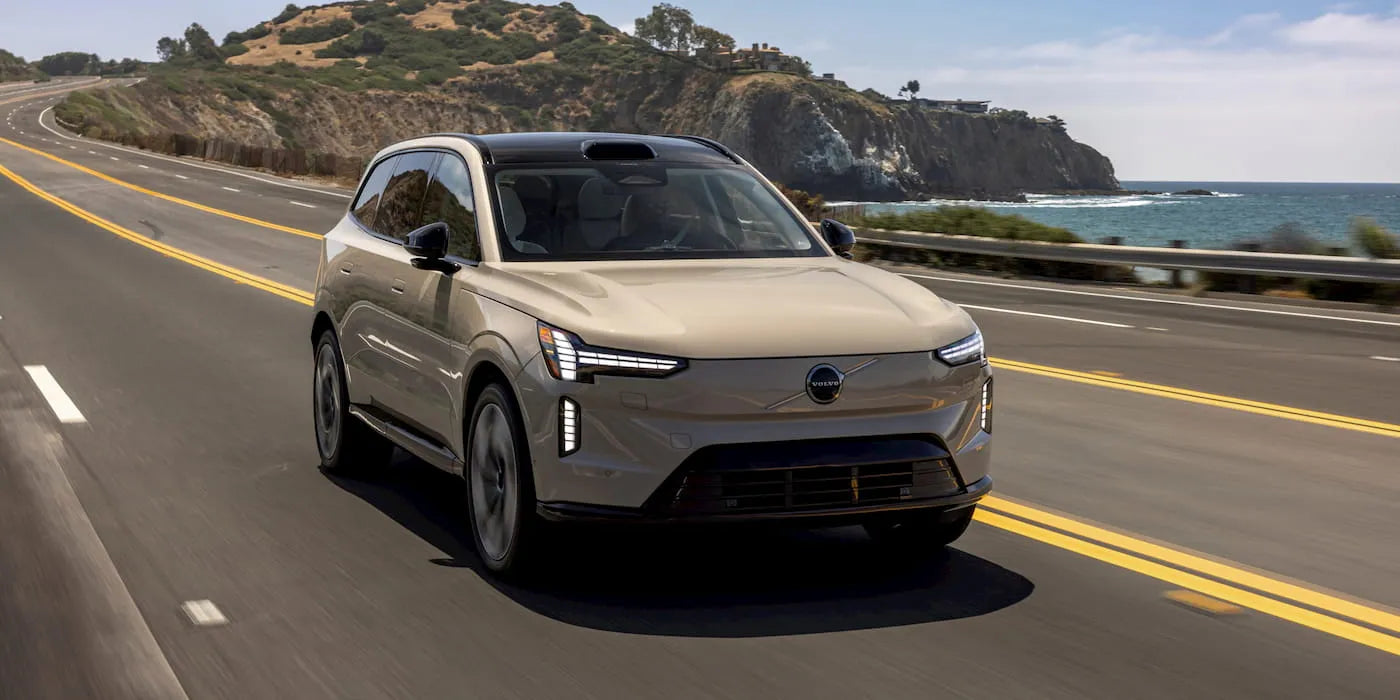
Volvo is preparing to launch what could be its most important EV yet: the EX60, a mid-size electric SUV that blends cutting-edge software with next-generation battery technology. Due to arrive in the U.S. and global markets next year, the EX60 is set to showcase a leap forward in energy storage, efficiency, and structural integration.

Volvo EX60


Dual-Chemistry Battery Strategy

Volvo’s Chief Technology Officer, Anders Bell, confirmed in an interview that the EX60 will offer two battery chemistries, continuing a strategy first seen on the smaller EX30. While exact specifications are still under wraps, lithium-iron phosphate (LFP) batteries are “absolutely on the table” for the EX60’s SPA3 platform, alongside higher-performance nickel-manganese-cobalt (NMC) packs.

This dual-chemistry approach gives Volvo flexibility: affordable LFP packs for value-oriented buyers and higher-density NMC options for drivers prioritizing range. In Europe, the EX30 already offers a 51-kWh LFP pack and a 69-kWh NMC pack, though only the latter is available in the U.S. A similar playbook could unfold with the EX60.


Prismatic Cells: The Big Shift

Perhaps the most transformative upgrade is Volvo’s shift to large-format prismatic cells. Unlike cylindrical cells favored by Tesla, prismatic cells are shaped like rectangular blocks—think “a VHS cassette, but bigger,” as Bell put it.

This cell format delivers several benefits:

  • Greater flexibility in chemistry—manufacturers can swap LFP, NMC, or even emerging lithium-manganese-rich (LMR) chemistries into the same form factor.

  • Improved packaging efficiency—more energy can be stored without increasing the size of the pack.

  • Weight and cost savings—fewer components and simpler assembly.

Automakers beyond Volvo are adopting the same approach. Volkswagen plans to roll out prismatic cells for its affordable EVs starting next year, while General Motors has announced prismatic batteries for its full-size SUVs and trucks by 2028.


Cell-to-Body Integration

The EX60 will also adopt cell-to-body battery integration, meaning the battery will serve as a structural element of the SPA3 platform rather than a separate bolt-on unit. This design increases rigidity, simplifies manufacturing, and frees up space for larger battery packs. It’s a leap that echoes strategies used by Tesla and BYD, both of which have demonstrated how structural batteries improve efficiency and reduce costs.


Beyond Batteries: Smarter Hardware

While batteries are the headline story, the EX60 isn’t stopping there. It will also feature:

  • Nvidia Drive Thor AI computer—capable of an astonishing 1,000 trillion operations per second, enabling advanced driver-assist and software-defined features.

  • Third-generation Volvo drive units—with efficiency rated at 93%, pushing the limits of energy use in EV drivetrains.

These upgrades align with Volvo’s broader turnaround plan, which emphasizes both cutting-edge software and mechanical refinement to stay competitive in the premium EV market.

Volvo EX60


Production and Market Positioning

The EX60 will be built at Volvo’s main plant in Gothenburg, Sweden, with global sales expected to begin next year. Positioned squarely against rivals such as the Tesla Model Y, BMW iX3, and Mercedes-Benz EQC successor, the EX60 has the potential to become Volvo’s most important EV to date.

By combining advanced prismatic batteries, dual-chemistry flexibility, and structural integration, Volvo is betting on a package that balances cost, efficiency, and driving range—three critical factors in the next phase of EV adoption.

Recommend Reading: Stellantis Unveils IBIS: A Smarter, Smaller EV Battery That Boosts Range and Charging
🔌 EV Charging Habits & Battery Life – FAQ

1. Does charging my EV every night damage the battery?

No, charging your EV every night will not damage the battery if you use the right habits. Most automakers recommend keeping daily charging limits between 70–80% for the best battery life and saving 100% charges for road trips.

2. What is the best charging percentage to maintain for EV battery health?

The optimal range is 20%–80% state of charge (SoC). This reduces stress on lithium-ion cells and helps minimize long-term degradation. Many EVs allow you to set a charging limit in the app or onboard software.

3. Is it bad to always charge my EV to 100%?

Frequent charging to 100% can accelerate degradation over time, especially if the car sits fully charged for hours. It’s safe for long trips but avoid using 100% daily unless your driving range requires it.

4. How much does fast charging affect EV battery life?

DC fast charging generates more heat and places higher stress on the battery. Occasional use is fine, but relying on fast charging daily may shorten lifespan compared to slower Level 2 charging.

5. Should I let my EV battery run down to 0% before recharging?

No, it’s not recommended. Running an EV battery down to 0% can stress the cells and shorten its lifespan. It’s healthier to recharge when the battery reaches 20–30%.

6. Does temperature affect EV charging habits and battery degradation?

Yes. High heat accelerates degradation, while extreme cold reduces temporary range and charging efficiency. Parking in shade, using preconditioning, and avoiding full charges in hot weather will help preserve your EV battery.

7. How long will my EV battery last with proper charging habits?

With healthy habits, most EV batteries last 8–15 years or 150,000–300,000 miles before significant capacity loss. Real-world data shows an average degradation of 1–2% per year for well-maintained EVs.

8. Is Level 1 or Level 2 charging better for battery longevity?

Both are safe, but Level 2 charging (240V) is ideal for daily use. It’s faster than Level 1 but still gentle compared to DC fast charging. Using Level 2 at home is considered the sweet spot for balancing convenience and battery health.

9. Can software updates improve EV battery life?

Yes. Automakers regularly release battery management system (BMS) updates that improve charging efficiency, thermal management, and degradation control. Keeping your EV software up to date helps maximize lifespan.

10. What are the top tips to extend EV battery health through charging habits?
  • Keep daily charging between 20–80%
  • Save 100% charging for road trips
  • Use Level 2 charging for everyday needs
  • Limit frequent DC fast charging
  • Avoid extreme temperatures while charging
  • Plug in often instead of letting the battery run low

EV News

View all

Global Plug-In Vehicle Sales Hit 20 Million in 2025 as U.S. Momentum Fades

Global Plug-In Vehicle Sales Hit 20 Million in 2025 as U.S. Momentum Fades

Global plug-in vehicle sales reached 20.7 million in 2025, led by Europe and emerging markets. The U.S. lost momentum after ending federal EV incentives, while China’s growth slowed and policy stability proved critical worldwide.

Read more

Trump Signals Openness to Chinese EV Makers—If They Build in America

Trump Signals Openness to Chinese EV Makers—If They Build in America

Trump says Chinese EV brands can enter the U.S. if they invest locally and create jobs. As Chinese automakers eye America, Detroit faces rising competition, shifting consumers, and a more global EV market.

Read more

Which EVs Still Grew After Incentives Ended—and Why It Matters

Which EVs Still Grew After Incentives Ended—and Why It Matters

After the $7,500 EV tax credit expired, most models saw Q4 sales fall. Yet about a dozen EVs—from Tesla to Porsche—still grew, showing that strong products and premium buyers can overcome policy headwinds.


Read more