



For much of this year, selling electric vehicles in the U.S. was like hosting one long celebration. Sales were booming, incentives were flowing, and every major automaker wanted a piece of the action. However, the surge in EV sales earlier this year was always bound to slow down once incentives ended.
When the federal EV tax credit officially expired on September 30, analysts warned of a sharp correction in the market. And sure enough, October brought a wave of price shifts, leasing slowdowns, and consumer hesitation.

Prices Rose, Leases Fell—But Interest Remains
According to a new report from Edmunds, average EV transaction prices climbed sharply in October, reaching $65,021, up from $60,167 the month prior. The average sticker price (MSRP) hit $67,835, the highest in recent months.
At the same time, leasing—once the dominant method of EV acquisition thanks to the $7,500 credit—fell to about 60% of total EV transactions, down from highs of 74% earlier this year.
"October’s EV buyers were less deal-driven and more committed to embracing electrification," Edmunds said. “EV consideration dipped modestly but remains steady, showing that consumer interest hasn’t disappeared despite affordability challenges.”
It’s worth noting that these figures exclude Tesla, Rivian, and Lucid—brands that sell directly to consumers. Given Tesla’s aggressive price cuts and cheaper “Standard” variants, the real average prices may actually be somewhat lower.
A Market Reset, Not a Collapse
Compared to September, when J.D. Power found the average EV transaction price dipping below gas cars at $44,908, the new data may look grim. But experts say the recent jump simply reflects a market recalibrating after an incentive-fueled surge, not collapsing.
EVs remain expensive to build, and without the tax credit, automakers are rebalancing their lineups toward higher-margin gas or hybrid models. Battery costs are still high, and tariffs on imported EVs from Europe and Asia only add pressure.
Still, the foundation for long-term growth remains solid. More than 1 million EVs were sold in the U.S. through September, a record-setting milestone. These owners now represent a large and growing group that relies on public charging networks and won’t be switching back to gasoline anytime soon.
Consumers Are Taking a More Thoughtful Approach
Edmunds’ site data shows that EV shopping interest dropped from 12.7% in early September to 9.0% by mid-October—a decline, yes, but more of a normalization than a collapse.
“Many buyers are taking a more deliberate approach,” Edmunds explained, “weighing ownership costs, charging infrastructure, and model variety now that the leasing advantage has faded.”
Put simply, Americans are still interested in EVs—they’re just being more cautious with their wallets.
The Bigger Picture: Affordability Is the Real Challenge
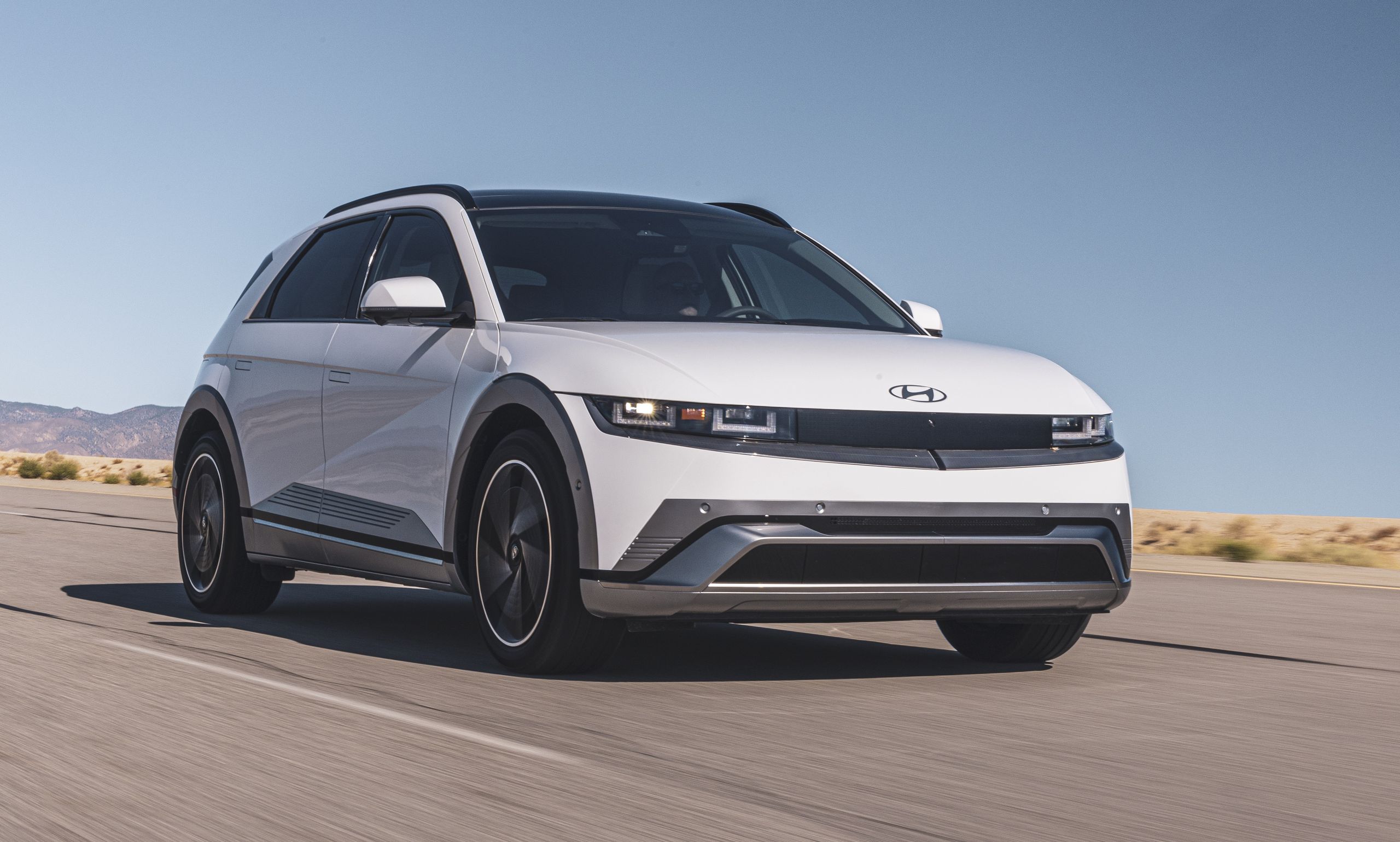
EVs aren’t alone in facing pricing pressures. With the average new car in the U.S. now hovering around $50,000, affordability across the board is a problem. A $259/month lease on a Honda Prologue or a price drop on the 2026 Hyundai Ioniq 5 (now starting near $35,000) shows that automakers are already adapting.
The broader question is whether manufacturers can make EVs profitable without relying on government support. That, more than short-term fluctuations, will determine the next phase of the market.

Growing Pains, Not the End
Despite the hand-wringing, experts like Edmunds believe this moment marks a turning point, not a downturn.
“For now, this doesn’t signal the end of EV enthusiasm—it marks the beginning of a more grounded, sustainable market that emphasizes product quality over discounts,” Edmunds concluded.
The party may be over, but the EV revolution is still very much alive—it’s just growing up.
Recommend Reading: U.S. EV Sales Plunge After Tax Credits Expire


Aktie:
Waymo Expands Self-Driving Taxi Service to 12 U.S. Cities by 2026
Updated List: Every Non-Tesla EV That Can Use Tesla Superchargers in 2025