





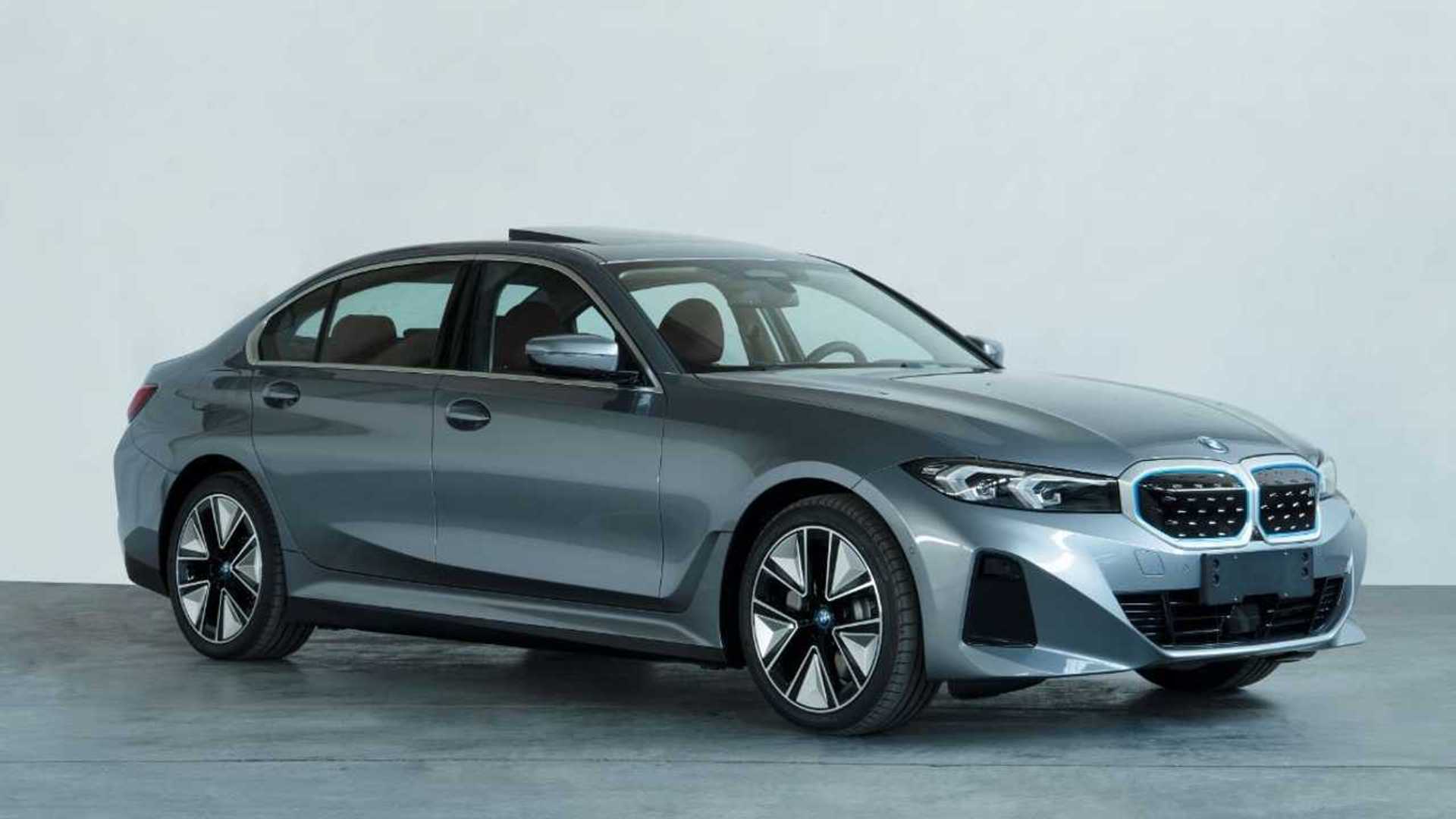
BMW’s transition to a fully electric future has reached a major milestone. A camouflaged electric sedan currently undergoing pre-production testing marks the brand’s most important step yet toward electrifying its core lineup. This vehicle—the upcoming BMW i3 sedan—represents the electric successor to the iconic 3 Series and is now officially on the path to mass production.

Pre-Production Begins at BMW’s Munich Plant
BMW has confirmed that pre-series production of the electric i3 sedan has begun at its Munich factory, a significant development for both the model and the plant itself. This marks the first time an all-electric 3 Series–based vehicle has been built entirely at this historic facility.
Pre-production vehicles are assembled on the same manufacturing lines intended for full-scale output. This phase allows BMW to validate equipment, refine workflows, and ensure quality standards before production ramps up. According to BMW, the Munich plant will begin series production of the i3 in the second half of 2026, signaling that the project is firmly on schedule.
Once production accelerates, the electric i3 will effectively replace the combustion-powered 3 Series at a site where the model has been built continuously for nearly 50 years.
A New Proportion Made Possible by Electric Design
Early images of the camouflaged sedan reveal meaningful changes to the vehicle’s proportions. The front overhang appears shorter than that of the gas-powered 3 Series, with the front axle positioned closer to the cabin. This is a common benefit of EV platforms, where compact drivetrains allow designers to reclaim space.
The result is a layout that could provide more interior room without increasing the car’s overall footprint, improving rear-seat comfort and cabin usability. Despite housing a battery pack in the floor, the i3 does not appear excessively tall—suggesting BMW has carefully balanced ride height with traditional sedan aesthetics.
Sport-Oriented Details Hint at Trim Strategy
The wheels fitted to the pre-production car appear production-ready and lean toward a sporty design. This strongly suggests the vehicle shown is equipped with an M Sport package, which typically includes revised bumpers, more aggressive side skirts, and a lower ride height.
While BMW has not yet revealed the rear design, previous prototype sightings indicate a high-set, squared-off trunk and slim rear lighting, similar in theme to the upcoming iX3. These elements point to a more modern, tech-forward design language across BMW’s next-generation EVs.
Interior and Platform Expectations
Although interior images have not been released, BMW’s recent EVs offer strong clues. The i3 is expected to feature a wraparound digital display and a uniquely shaped central screen, consistent with other Neue Klasse vehicles.
Underneath, the i3 will ride on BMW’s 800-volt Neue Klasse platform, shared with the iX3. This architecture enables ultra-fast DC charging at up to 400 kW, improved efficiency, and advanced software capabilities designed for long-term updates.
This is a clear departure from BMW’s current electric sedans like the i4 and i5, which are based on modified combustion platforms. Those vehicles have been well received, but the i3 promises greater efficiency, more interior space, and deeper software integration from the ground up.

Performance Variants and Strategic Importance
BMW has already confirmed plans for a high-performance M version of the electric i3. This model is expected to use a quad-motor setup and advanced torque management, reinforcing BMW’s commitment to performance even in its electric future.
More broadly, the i3 sedan is not just another EV launch. It represents BMW’s shift toward dedicated electric architectures for its most important nameplates, setting the tone for the brand’s next decade.
Recommend Reading: BMW U.S. Sales Hit Record in 2025 as Plug-In Hybrids Outpace EV Growth









Share:
Extreme Cold Puts Tesla Model 3 Winter Charging Limits to the Test
Ford Explores Potential EV Partnership With Geely as Global Alliances Accelerate