



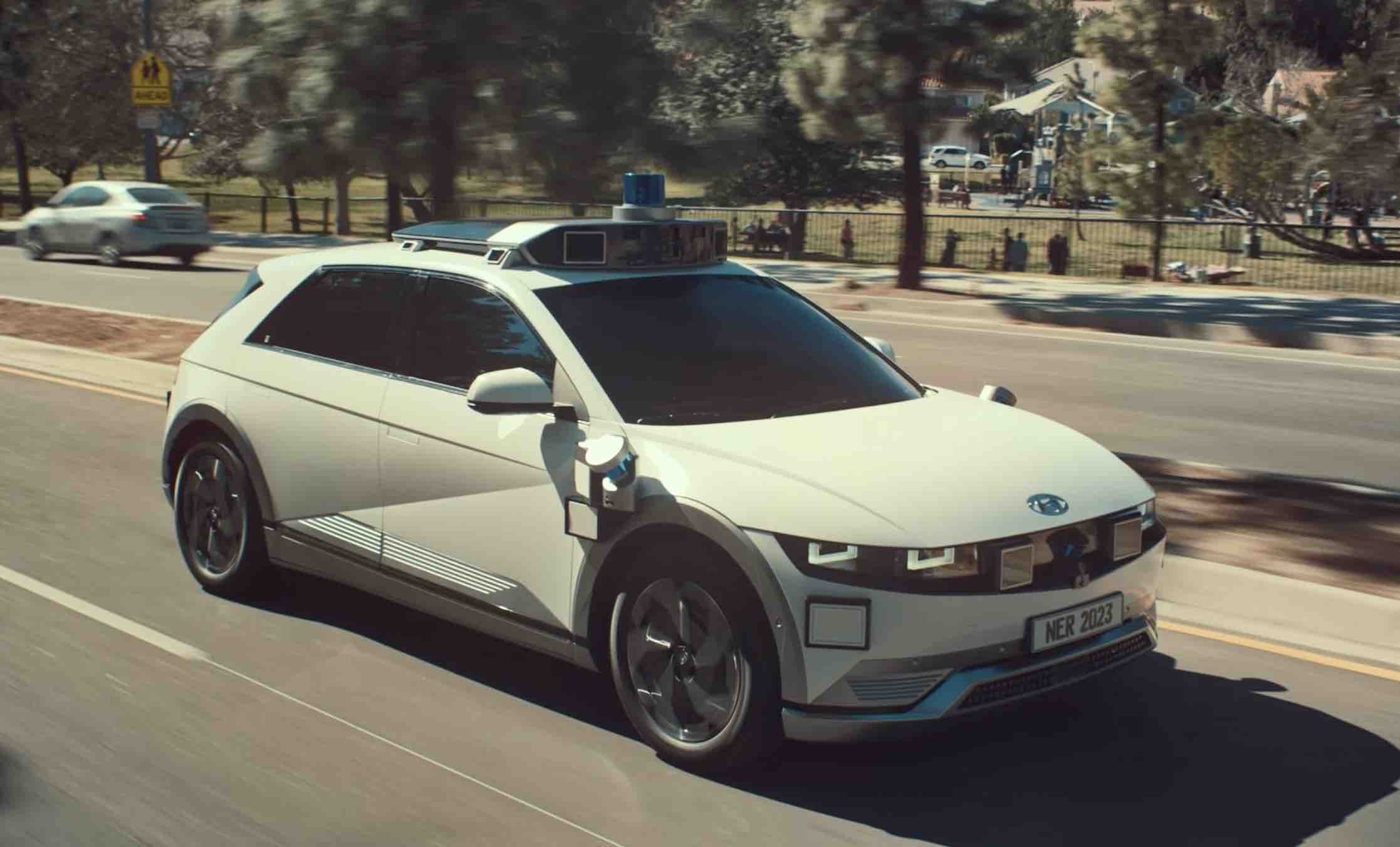
Hyundai is preparing to take a more direct role in the autonomous ride-hailing market, signaling a strategic shift from supplier and partner to operator. Through its autonomous driving subsidiary Motional, the automaker plans to launch a commercial robotaxi service using the Hyundai Ioniq 5 in Las Vegas by the end of the year.
The move places Hyundai among a shrinking group of companies still willing to invest heavily in robotaxis, a sector littered with high-profile failures. With General Motors shutting down Cruise and Ford and Volkswagen abandoning Argo AI, Hyundai’s renewed push raises a critical question: can a vertically integrated automaker succeed where others collapsed?

A High-Risk Market Shaped by Recent Failures
The autonomous taxi business has proven far more difficult and expensive than early forecasts suggested. Billions of dollars were poured into development throughout the 2010s, driven by promises of rapid deployment and massive cost savings once human drivers were removed. Reality unfolded differently.
Cruise reportedly burned more than $10 billion before GM pulled the plug. Argo AI shut down just as commercial service appeared close. These exits reshaped investor expectations and cooled enthusiasm across the industry, creating what many now call an “autonomous winter.”
Against that backdrop, Hyundai’s decision to double down may seem counterintuitive. Yet the company believes its structure, patience, and long-term vision differentiate it from U.S. rivals that faced intense quarterly pressure.
Motional’s Long and Uneven Journey
Motional’s origins predate its Hyundai branding. The company emerged from nuTonomy and Ottomatika, early autonomous pioneers spun out of MIT and Carnegie Mellon. After being acquired by Delphi and later paired with Hyundai in a $4 billion joint venture, Motional became one of the most visible AV developers in the U.S.
By 2022, it had logged over 100,000 public pilot rides through Uber and Lyft, fueling expectations of a commercial rollout. That launch never materialized. Losses mounted, Aptiv reduced its stake, and commercial operations were paused in 2024.
According to CEO Laura Major, the pause was necessary. While Motional could achieve safe driverless operation, the system was not economically viable at scale. The assumption that autonomy could be easily replicated city by city proved false.

How AI Changed Motional’s Strategy
The resurgence of artificial intelligence fundamentally altered Motional’s technical roadmap. Advances in neural networks reduced the need to retrain vehicles extensively for each new city, improving generalization and flexibility.
Motional now blends traditional rule-based robotics with end-to-end AI models. This hybrid approach aims to address edge cases—unpredictable scenarios that have historically undermined fully autonomous systems.
Major describes this shift as a turning point. AI made it possible to envision autonomy that is not only safe, but scalable. Still, the company remains cautious, positioning its service as deliberately slow and controlled rather than aggressively expansive.
Why Hyundai’s Role Is Different This Time
A key distinction between Motional and many former AV ventures is Hyundai’s level of integration. The robotaxi Ioniq 5 is built on a Hyundai production line, with sensors, hardware, and AI systems developed in close coordination between the automaker and Motional.
This contrasts with competitors that retrofit autonomy systems onto third-party vehicles. Hyundai believes tighter integration improves reliability, cost control, and long-term transfer of technology into consumer vehicles.
For Hyundai, Motional is not just a ride-hailing bet—it is a learning platform for autonomy, robotics, and software-defined vehicles across its broader product lineup.

Inside the Ioniq 5 Robotaxi Platform
Motional’s robotaxi retains the familiar shape of the Ioniq 5, but underneath, it is heavily modified. The vehicle carries more than 30 sensors, including cameras, radar, and lidar, while maintaining steering wheels and pedals for regulatory and safety reasons.
Passengers interact with the system through rear-seat displays, allowing them to start trips, request stops, or call support. Automatic doors and a smooth, conservative driving style are designed to improve rider trust—an area where previous services struggled.
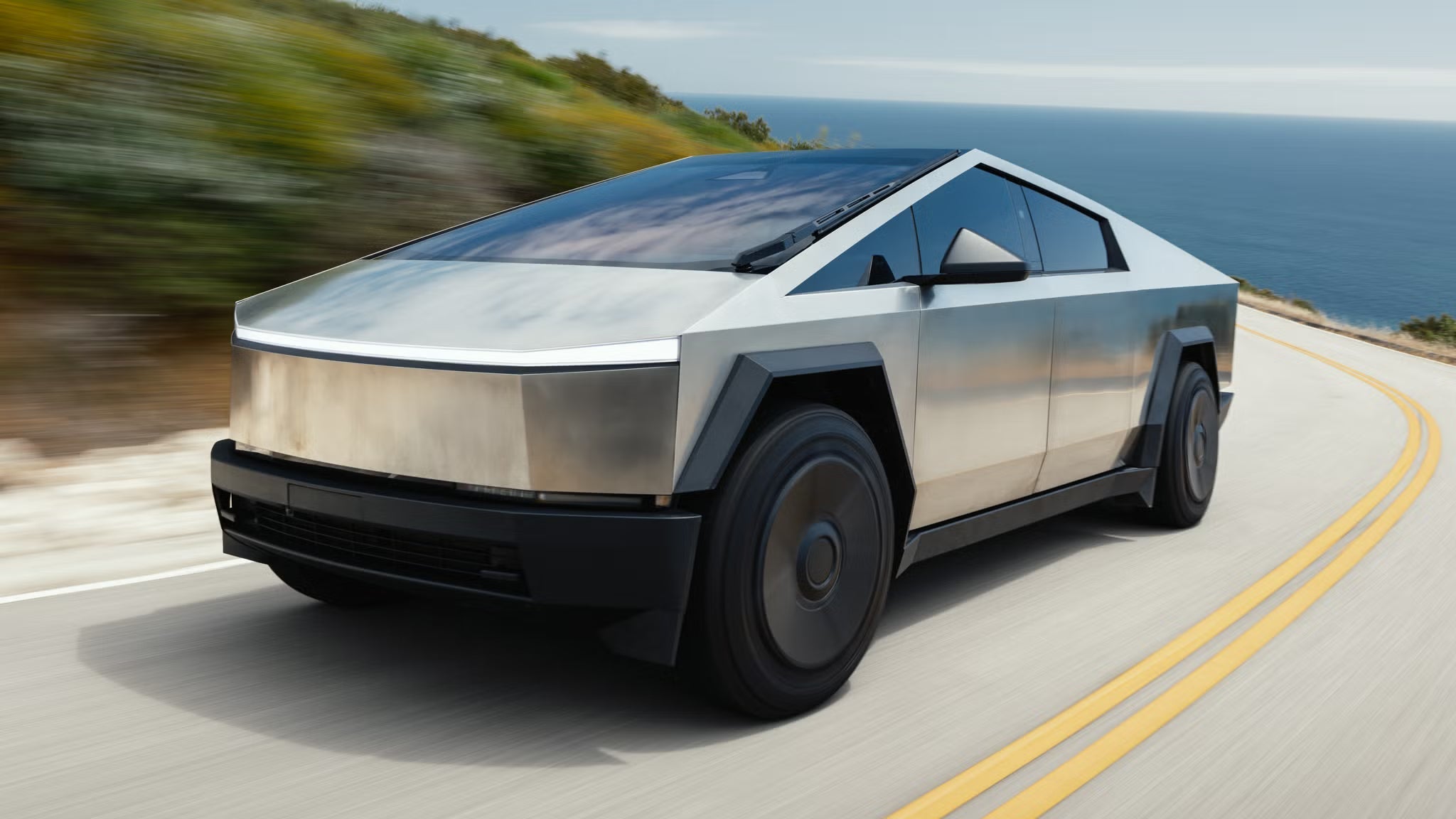
Unlike Tesla’s proposed Cybercab or Zoox’s custom-built pod, Hyundai’s approach favors evolution over reinvention, keeping the vehicle recognizable and adaptable.

Competing Against an Expanding Waymo
Timing remains one of Motional’s biggest challenges. Waymo plans to operate in more than two dozen cities by 2026, giving it a scale advantage that few competitors can match.
Hyundai and Motional are not attempting to match that footprint immediately. Instead, they aim to perfect operations in a limited market, focusing on safety, cost efficiency, and user experience before expanding.
This conservative rollout may limit short-term visibility, but Hyundai believes it reduces the risk of reputational damage—something that proved devastating for Cruise.
Autonomy as a Long-Term Strategic Asset
Hyundai’s autonomy ambitions extend well beyond robotaxis. The company has openly acknowledged gaps in its advanced driver assistance systems compared to rivals like GM and Ford, and it sees Motional as a way to accelerate internal progress.
The technology developed for robotaxis could eventually filter into consumer vehicles, enabling hands-free driving, advanced safety features, and new in-car experiences. Hyundai has also linked autonomy to its broader investments in robotics through Boston Dynamics.
This long-term view requires patience and capital, but Hyundai’s corporate structure may allow it to absorb slow returns better than Western competitors.

What Success Would Actually Look Like
For Motional, success does not require dominating the robotaxi market overnight. A stable, safe, and commercially viable service in Las Vegas would already mark a major achievement in today’s climate.
If the system proves reliable and cost-effective, Hyundai could license the technology, expand selectively, or integrate autonomy directly into retail vehicles. Ride-hailing is simply the first proving ground.
As Major puts it, the immediate goal is to make riders feel safe, comfortable, and willing to return. Everything else builds from that foundation.
Recommend Reading: Tesla’s Robotaxi Rollout Lagged Behind Its 2025 Promises
Aktie:
Rivian Recalls Nearly 20,000 R1T and R1S Models Over Suspension Service Issue
Electric Vehicles Are Becoming Less Politically Divisive