


Stellantis Confirms Early 2026 Rollout
Stellantis has announced that Jeep and Dodge electric vehicles will gain access to Tesla’s Supercharger network in North America beginning in early 2026. The company confirmed the plan in a new statement outlining broader charging ambitions for its EV portfolio. Additional markets, including Japan and South Korea, are scheduled to follow in 2027.
The move marks a major step forward for Stellantis, which has lagged behind other automakers in EV adoption but now seeks to give customers a more reliable charging experience. As the company emphasized, the goal is to provide more choice, better coverage and greater flexibility in how drivers power their battery-electric models.
Shift Toward the NACS Standard
Like most major automakers in North America, Stellantis committed in 2024 to adopting Tesla’s North American Charging Standard (NACS). The transition was originally slated to begin in 2025 but is now running slightly behind schedule. Even so, for Jeep and Dodge EV owners, the change is expected to be significant.
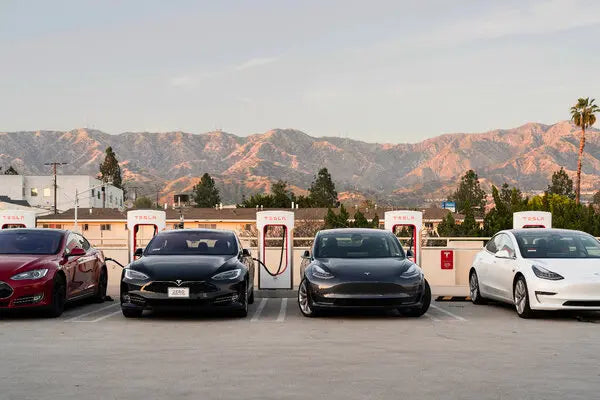
By joining the Supercharger ecosystem, Stellantis vehicles will gain access to more than 20,000 Tesla fast chargers across the region. This includes the company’s extensive network of high-speed V3 and V4 charging stalls, which remain among the most reliable in the market.
Stellantis has not yet specified whether its rollout will begin with NACS adapters or with native NACS ports integrated directly into future vehicles. However, most automakers have followed a two-step process: providing adapters first, then switching to factory-installed NACS hardware in subsequent model years.

Initial Models to Receive Access
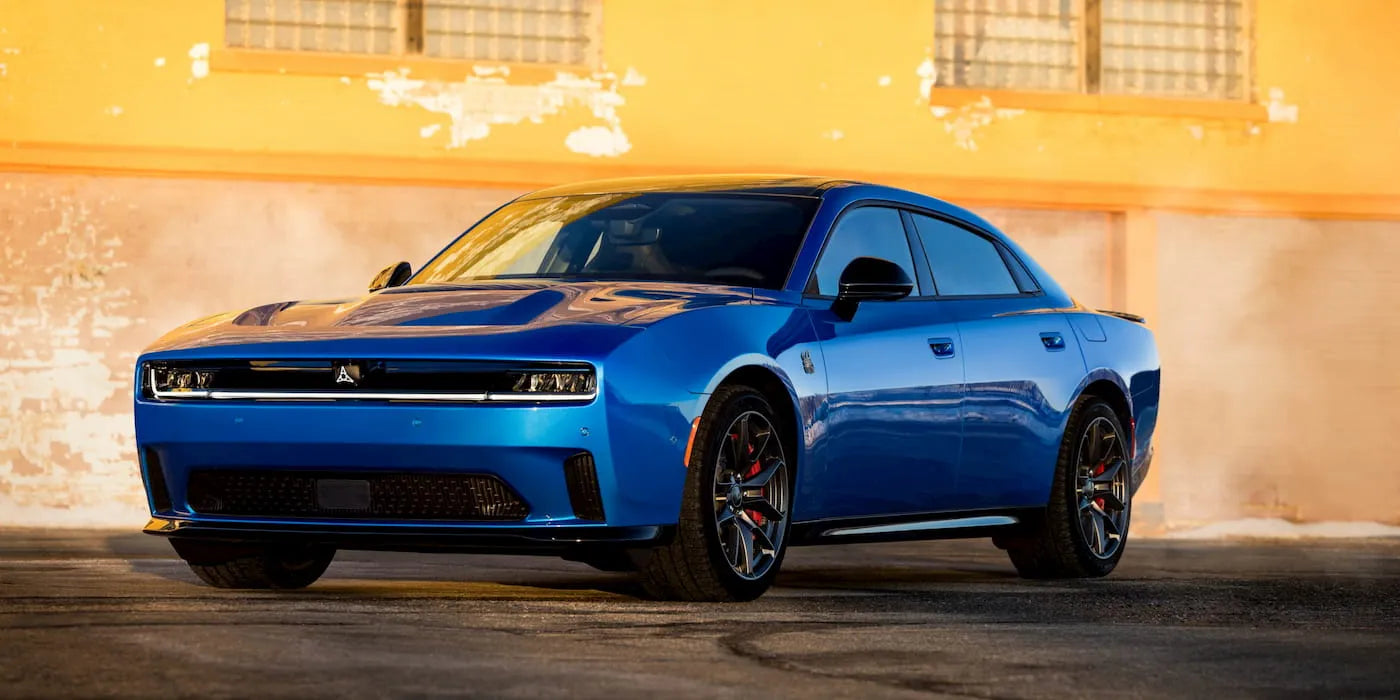
The first Stellantis models slated to support Supercharger access include the Jeep Wagoneer S and the Dodge Charger Daytona EV, both of which represent the company’s next-generation EV push. These will be followed by the 2026 Jeep Recon, with additional EVs expected to be announced at a later date.
While Stellantis has been slower to commit to battery-electric products than some competitors, these models show that the company is still investing in its electrification roadmap. That said, the automaker has also signaled a renewed focus on gasoline-powered models in response to changes in U.S. policy, including the rollback of EV tax credits and relaxed fuel economy regulations.
This dual-track strategy reflects Stellantis’ acknowledgment that EV adoption in North America has hit a transitional moment. However, enabling access to Tesla’s charging infrastructure remains one of the most important steps in making its EVs more usable for everyday consumers.

Why Tesla’s Plug Became the Dominant Standard
Over the past several years, Tesla’s NACS connector has rapidly emerged as the de facto charging standard in the United States. Its compact size, ease of use and integration with the well-established Supercharger network have made it more desirable than the older CCS systems.
Automakers including Toyota, General Motors, Hyundai, Kia, Lucid and Rivian have already committed to NACS, with many offering adapters before transitioning to full native support. The shift has accelerated Tesla’s influence in the charging ecosystem and given EV buyers more consistent access to fast-charging stations.
For Stellantis, aligning with NACS is essential to improving its competitiveness, particularly as early EV models from its brands received lukewarm reviews and slower sales compared with rivals. Access to the Supercharger network may help address one of the biggest concerns prospective EV buyers raise: charging reliability.
Looking Ahead
Although Stellantis still trails competitors in its electrification progress, securing access to Tesla’s charging network represents a meaningful step toward improving the ownership experience for Jeep and Dodge EV drivers. As the company prepares for additional EV launches in the coming years, aligning with the industry’s dominant charging platform may prove critical in rebuilding momentum.
More details about adapter availability, hardware integration and compatibility timelines are expected as 2026 approaches.
Recommend Reading: Volkswagen EVs Gain Access to Tesla’s Supercharger Network Next Week

Aktie:
Waymo Expands Driverless Taxi Network to More U.S. Cities in 2026
Hyundai Pushes Toward Ultra-Fast EV Charging and Three-Minute Top-Ups