





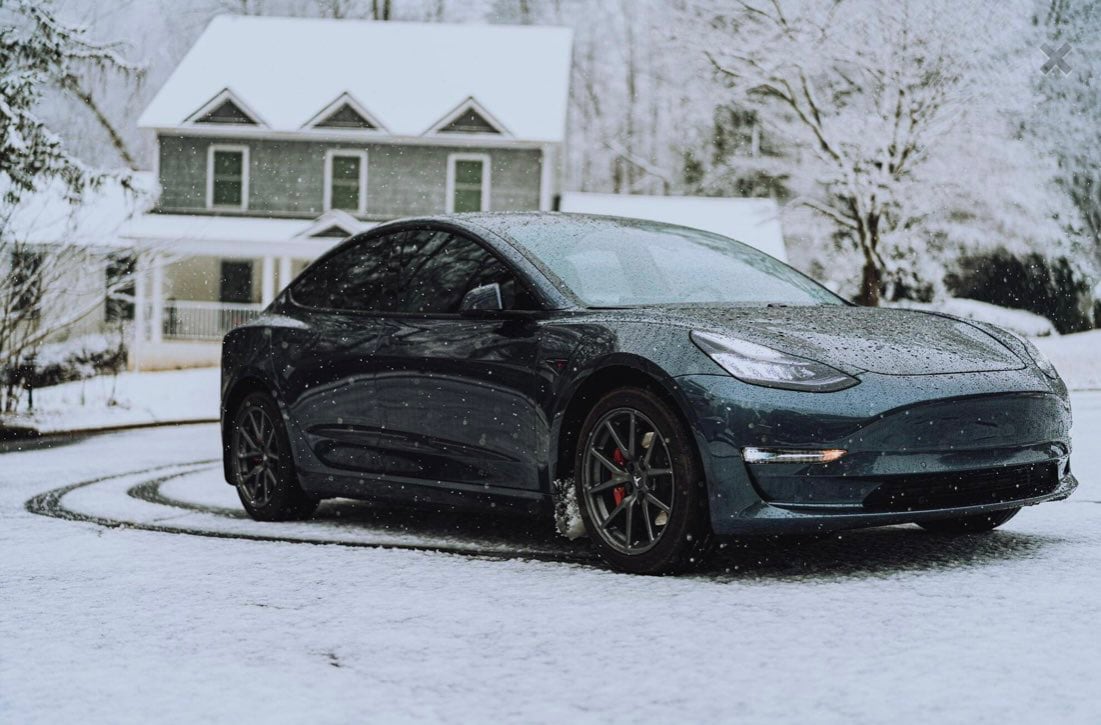
Shifting Leadership in the Global EV Market
The balance of power in the electric vehicle sector has shifted again. Tesla has returned to the top position worldwide after reporting stronger delivery figures in the first quarter of 2026, while its primary rival, BYD, experienced a notable downturn in pure electric vehicle sales.
During the first three months of the year, Tesla delivered 358,023 vehicles, reflecting a 6.5% increase year over year. In contrast, BYD recorded 310,389 fully electric vehicle deliveries, marking a 25% decline compared to the same period last year. This reversal has allowed Tesla to reclaim the leading position it lost previously.

A Broader View of BYD’s Sales Performance
Although BYD’s battery electric vehicle (BEV) figures declined significantly, the company’s overall output remains substantial due to its strong presence in plug-in hybrid models. When combining all new-energy vehicles—including hybrids—BYD sold approximately 695,772 units globally in the first quarter.
Even so, this total represents a 30% drop compared to the previous year. The data highlights a critical distinction: while BYD continues to lead in total electrified vehicle volume, its fully electric segment has faced increasing pressure.
Ongoing Competition Between Two Industry Giants
The rivalry between Tesla and BYD has intensified since 2023, when BYD first surpassed Tesla in quarterly EV deliveries. By the end of 2025, the Chinese automaker had secured the top spot globally, supported by a broad product lineup and aggressive domestic expansion.
However, the latest figures suggest that maintaining leadership in this rapidly evolving market remains challenging. Tesla’s narrower product portfolio—primarily centered on the Model 3 and Model Y—has not prevented it from scaling efficiently and regaining momentum.
Meanwhile, BYD continues to expand internationally, particularly in Europe, where demand for electric vehicles is steadily increasing. Despite this progress, its absence from the U.S. market limits its global reach compared to Tesla.
Policy Changes Reshape Domestic Demand
A key factor behind BYD’s weaker performance appears to be shifting regulatory conditions in China. Government incentives that previously supported EV adoption have been reduced, altering the economics for consumers.
Subsidies for new energy vehicles have been capped at 20,000 yuan (approximately $2,905), while earlier programs offered more generous support tied to vehicle price. Additionally, buyers now face a 5% purchase tax, reversing earlier exemptions that made EV ownership more financially attractive.
These policy adjustments effectively increase the cost of ownership, which may be dampening demand in BYD’s home market—historically its strongest base.
Similar Pressures in the United States
Tesla is not immune to policy-driven challenges. In the U.S., the removal of the $7,500 federal EV tax credit has reshaped the competitive landscape for all automakers. Without this incentive, manufacturers must rely more heavily on pricing strategies and operational efficiencies to maintain demand.
Despite these headwinds, Tesla’s scale and vertically integrated approach provide advantages. Its ability to produce vehicles at lower cost, combined with software-driven features, helps sustain competitiveness even in a less favorable subsidy environment.
Pricing, Product Strategy, and Market Reality
The latest developments underscore a broader trend: affordability remains a decisive factor in EV adoption. While automakers frequently emphasize advanced software, platform architecture, and performance, consumers continue to respond most strongly to price.
Tesla’s streamlined lineup allows it to focus on cost optimization and production efficiency. BYD, on the other hand, offers a wider range of vehicles across multiple segments, which can dilute margins but broaden market appeal.
The challenge for both companies—and the industry at large—is finding the right balance between competitive pricing and sustainable profitability. Reducing costs without compromising essential features remains a complex task that not all manufacturers can achieve.

Outlook for the EV Market
Looking ahead, competition in the global EV market is expected to intensify further. Tesla’s return to the top position may prove temporary if BYD stabilizes its domestic performance and continues expanding overseas.
At the same time, evolving government policies, fluctuating incentives, and shifting consumer expectations will continue to shape demand. Manufacturers that can adapt quickly—through cost control, product positioning, and infrastructure support—are likely to gain an advantage.
For now, Tesla’s regained leadership highlights the importance of scale and pricing, while BYD’s recent decline illustrates how sensitive the market remains to policy changes and economic conditions.
Recommend Reading: Tesla Sales in Europe Rise After Over a Year of Declines











Share:
Tesla Sales Jump in South Korea After Price Cuts on EVs
Walmart Expands Its EV Fast-Charging Network Across the U.S.