






Volvo’s leadership believes the United States has all the structural ingredients needed for widespread electric vehicle adoption. According to CEO Håkan Samuelsson, American hesitation toward EVs has less to do with practicality and more to do with perception—a gap he expects consumers, not incentives, to eventually close.

Why Volvo Sees the U.S. as an Ideal EV Market
Speaking at the global debut of the Volvo EX60, Samuelsson expressed surprise at ongoing EV skepticism in the U.S. From his perspective, American living patterns are unusually well suited to electric cars.
The majority of U.S. households live in single-family homes, often with private driveways or garages. This makes overnight home charging not only possible, but convenient. By contrast, nearly half of European Union residents live in apartments, where access to private charging is far more limited.
“In suburban America, home charging should be the norm,” Samuelsson said, pointing to multi-car garages and stable residential power access. For him, that reality undercuts many of the common objections raised by U.S. buyers.
Charging Access: Where the U.S. Has a Structural Advantage
Home charging remains the single biggest factor shaping EV ownership satisfaction. Drivers with consistent access to overnight charging report lower costs, less inconvenience, and reduced reliance on public infrastructure.
In Europe, governments have compensated for dense housing by aggressively funding curbside and public charging. While the EU remains committed to electrification—targeting a largely carbon-free fleet by 2035—its challenge is infrastructure access, not consumer skepticism.
The U.S., by contrast, already has the physical conditions needed for home charging at scale. What it lacks, Samuelsson argues, is confidence.
Diverging Policy Paths, Similar Consumer Outcomes
Recent regulatory rollbacks in the U.S. have weakened EV incentives and emissions standards, prompting automakers to reinvest in internal combustion platforms. This shift has fueled concerns that the U.S. could lag behind Europe in EV adoption.
Samuelsson does not share that concern. He believes incentives may accelerate adoption, but they do not define it.
“The transformation will not be driven by incentives,” he said. “It will be driven by consumers.”
His argument rests on a simple observation: once drivers switch to EVs, very few return to gas-powered vehicles.
The Reality of EV Ownership Changes Minds
For many first-time owners, perceived drawbacks—range anxiety, charging complexity, maintenance uncertainty—fade quickly with experience. EVs tend to offer smoother acceleration, quieter operation, and lower long-term maintenance costs.
Charging, often framed as a burden, becomes an advantage when done at home. Samuelsson compared it to waking up every morning with a full tank—without ever visiting a gas station.
That reframing, he believes, is critical to changing consumer attitudes.
Home Charging Knowledge Remains a Missing Link
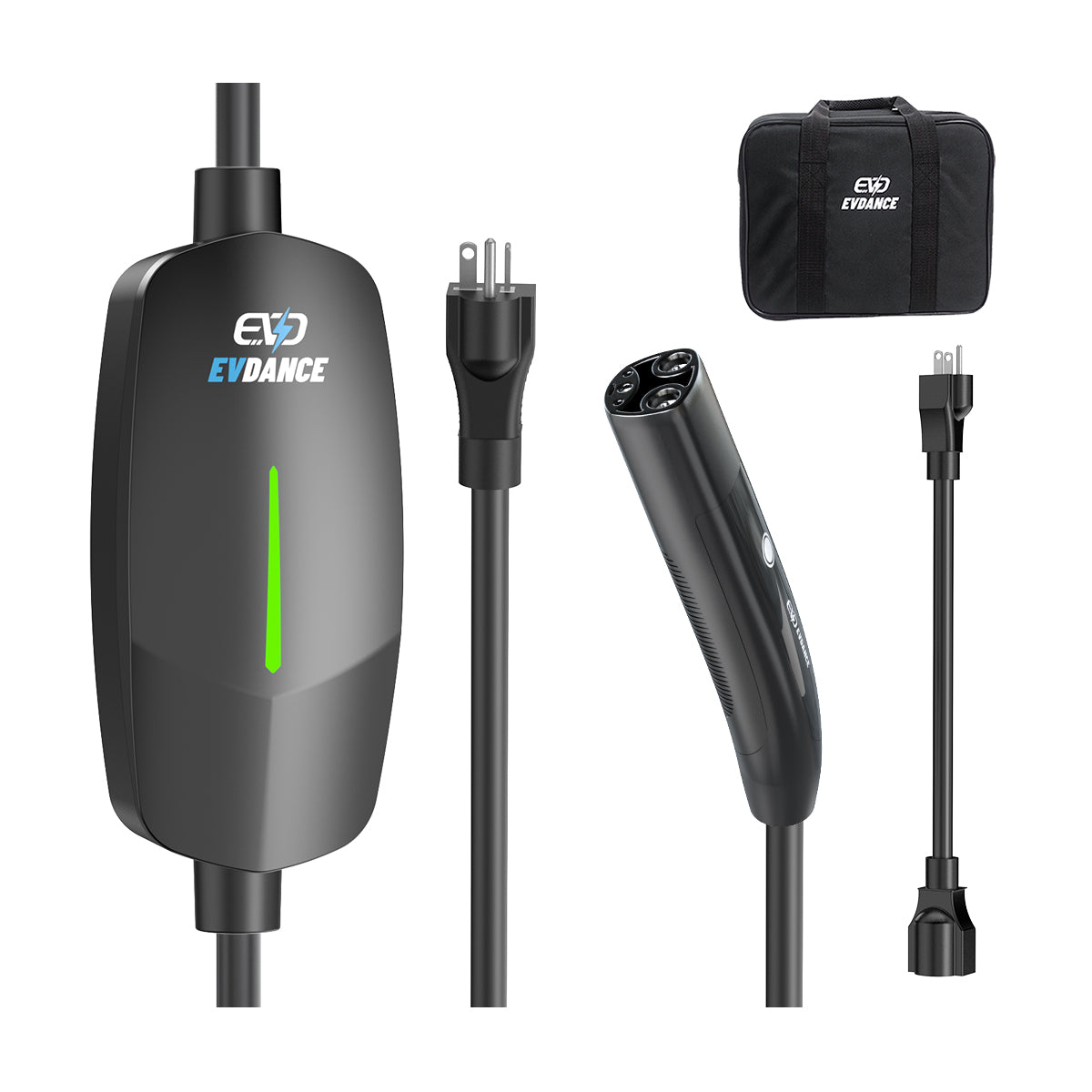
Despite growing EV sales, home charging remains poorly understood by many U.S. drivers, particularly those accustomed to decades of gasoline refueling habits. Installation costs, electrical upgrades, and equipment choices can feel intimidating without guidance.
Some automakers have responded by bundling home chargers with EV purchases or offering subsidized installation. Volvo has provided similar programs in parts of Europe but has yet to roll them out broadly in the U.S.
Company executives have indicated that home charging solutions may eventually become part of Volvo’s American EV roadmap, though no formal program has been announced.
Equipment, Not Infrastructure, May Be the Real Barrier
Samuelsson’s confidence hinges on a key assumption: that access to garages naturally leads to home charging. But owning a garage does not automatically mean owning a charger.
Competitors like Ford have addressed this by offering free chargers and installation support. Volvo’s current approach requires customers to source their own equipment, potentially slowing adoption among less-informed buyers.
If Volvo wants U.S. consumers to fully embrace home charging, providing the hardware may matter as much as selling the vehicle.

A Market Ready—If Education Catches Up
Volvo’s CEO may be right: structurally, the U.S. is well positioned for EVs. What remains uncertain is whether automakers will bridge the knowledge gap quickly enough to turn garages into charging hubs—and skepticism into confidence.
Recommend Reading: Volvo PHEV Battery Health After 42,000 Miles Shows Minimal Wear










Share:
Most Scout Buyers Prefer Range-Extended Power Over Fully Electric Trucks
Volkswagen Issues ID.4 Battery Recall as Fire Risk Prompts New Charging Guidance