





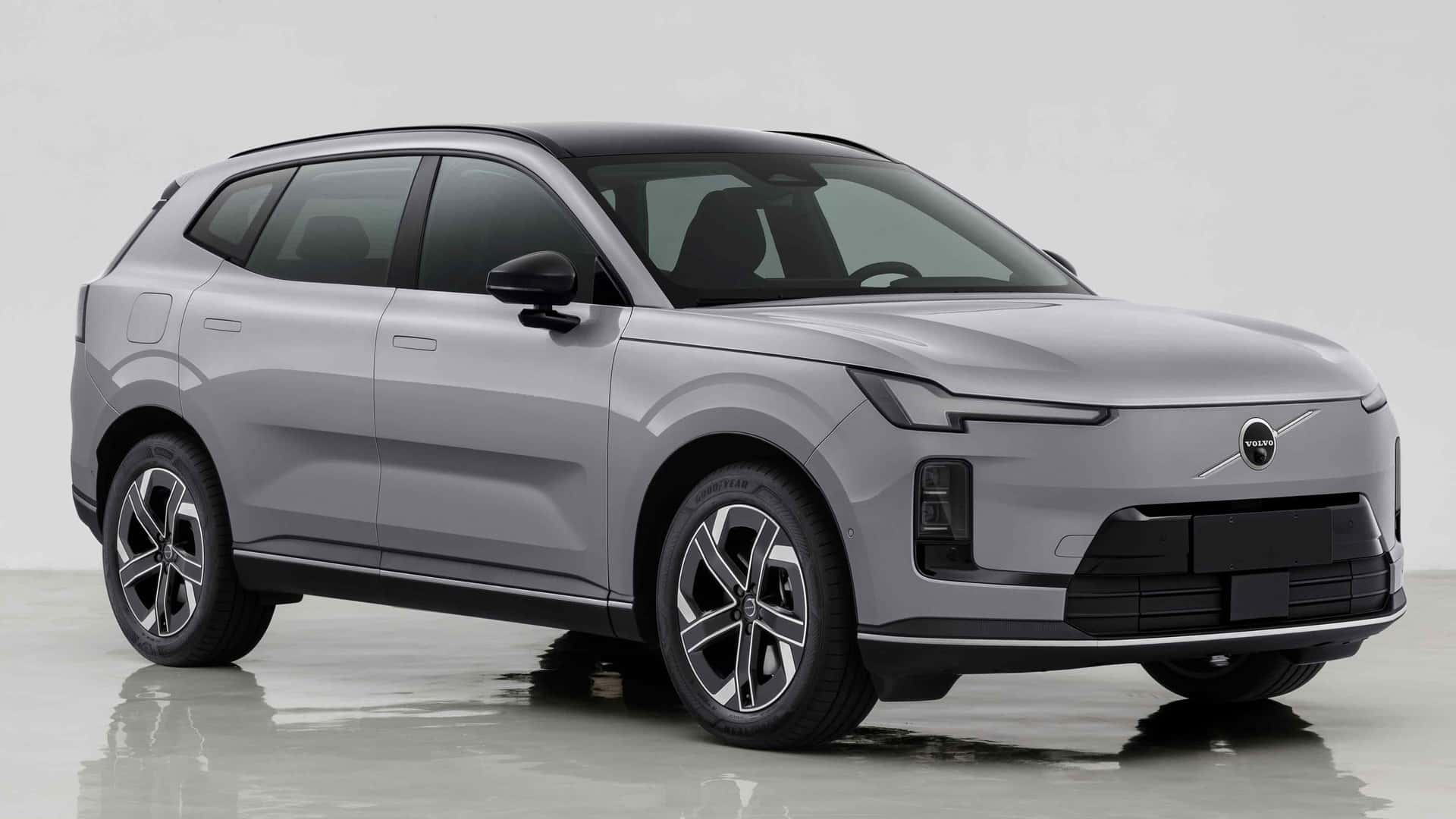
Battery Degradation Is Becoming Less of a Concern
Battery degradation is often cited as a long-term concern for electrified vehicles. But as battery management systems improve and manufacturers design in larger safety buffers, real-world data increasingly suggests that degradation is slower than many buyers expect.
That trend is clearly reflected in the long-term ownership experience of a 2023 Volvo V90 plug-in hybrid, which recently underwent a manual battery capacity test after nearly four years and 42,000 miles. The results show virtually no measurable battery degradation, reinforcing confidence in Volvo’s latest PHEV technology.

Which Volvo PHEVs This Applies To
While the V90 PHEV is a relatively rare model, the findings are relevant well beyond this single car. Volvo introduced upgraded battery packs and rear electric motors across its SPA-based plug-in hybrids starting in mid-2022.
These updates apply to 2022.5 and newer S60, V60, S90, V90, XC60, and XC90 plug-in hybrids, all of which use Android Automotive OS. Owners of these models benefit from the same battery architecture and management strategy tested here.
How the Battery Was Tested
Volvo does not provide a direct battery health readout for its plug-in hybrids, either through the infotainment system or via standard OBD diagnostics. As a result, battery health had to be evaluated using a traditional full-cycle method.
The process involved driving the vehicle until the electric range dropped to zero, then charging it back to a displayed 100% using a 240-volt home charger. Energy delivered during the charging session was recorded and adjusted for charging losses to estimate usable battery capacity.
What the Data Reveals
According to Volvo’s official specifications, the PHEV system uses an 18.8 kWh gross battery, with 14.9 kWh available for driving. During testing, several key details emerged.
When the car reported zero electric range, the battery management system (BMS) still showed 17–21% state of charge, depending on driving mode. Similarly, when the dashboard indicated a full charge, the actual state of charge was closer to 94%, not 100%.
This deliberate buffer at both the top and bottom of the battery’s operating range plays a crucial role in preserving long-term health.
Zero Measurable Degradation After 42,000 Miles
During a full charge, the home charger delivered 16.77 kWh of energy. After accounting for approximately 10% charging losses, about 15 kWh reached the battery—almost exactly matching Volvo’s stated usable capacity.
The conclusion is straightforward: there is no meaningful battery degradation after nearly four years of use and frequent daily charging. This is especially notable given that the vehicle has been driven predominantly in electric mode whenever possible.
Volvo’s decision to keep roughly 23% of total battery capacity inaccessible may seem conservative, but it appears to be highly effective in real-world conditions.
Long-Term Outlook for Volvo PHEV Batteries
While zero degradation at this stage does not guarantee the same result indefinitely, broader data supports a positive outlook. A recent study by Germany’s ADAC found that Volvo PHEVs retained around 85% of battery capacity after 125,000 miles.
That places Volvo near the middle of the pack among plug-in hybrids, outperforming some brands while trailing Mercedes-Benz, which showed the lowest degradation rates in the study.
Seasonal range remains consistent with expectations, delivering around 37 miles in winter and up to 55 miles in summer, with occasional higher peaks under ideal conditions.

A Strong Case for Modern PHEVs
Beyond battery health, the ownership experience highlights why modern plug-in hybrids remain compelling. This Volvo PHEV has cut fuel costs roughly in half, delivers strong performance, and offers luxury and practicality without range anxiety.
Based on current data, there is little reason to expect battery replacement concerns anytime soon—making it a strong long-term option for buyers not ready to go fully electric.
Recommend Reading: Volvo EX60 Targets Long-Range Leadership in the Electric SUV Segment


Share:
Lucid CEO Says EVs Were Sold the Wrong Way—and It’s Holding the Market Back
Kia Expands GT Lineup With More Powerful, Sport-Focused Electric Models