



Understanding EV Battery Degradation
Battery degradation is a natural part of EV ownership, but its impact tends to be far less dramatic than many assume. All electric vehicles lose some range over time, yet most modern models retain the majority of their original performance. Thanks to improved thermal management, advanced chemistries and increasingly sophisticated software, the typical three-year loss is modest.
To better understand which brands maintain range most effectively, Recurrent—a company that analyzes long-term EV performance through real-world telematics—reviewed data from tens of thousands of vehicles. The findings highlight meaningful differences between manufacturers, even within the same parent companies.
What the Data Shows
Recurrent evaluated 14 major brands based on the real-world range their vehicles retained after three years. Importantly, the benchmark was not EPA ratings but the range customers actually saw when the vehicles were new.
The results show clear leaders:
-
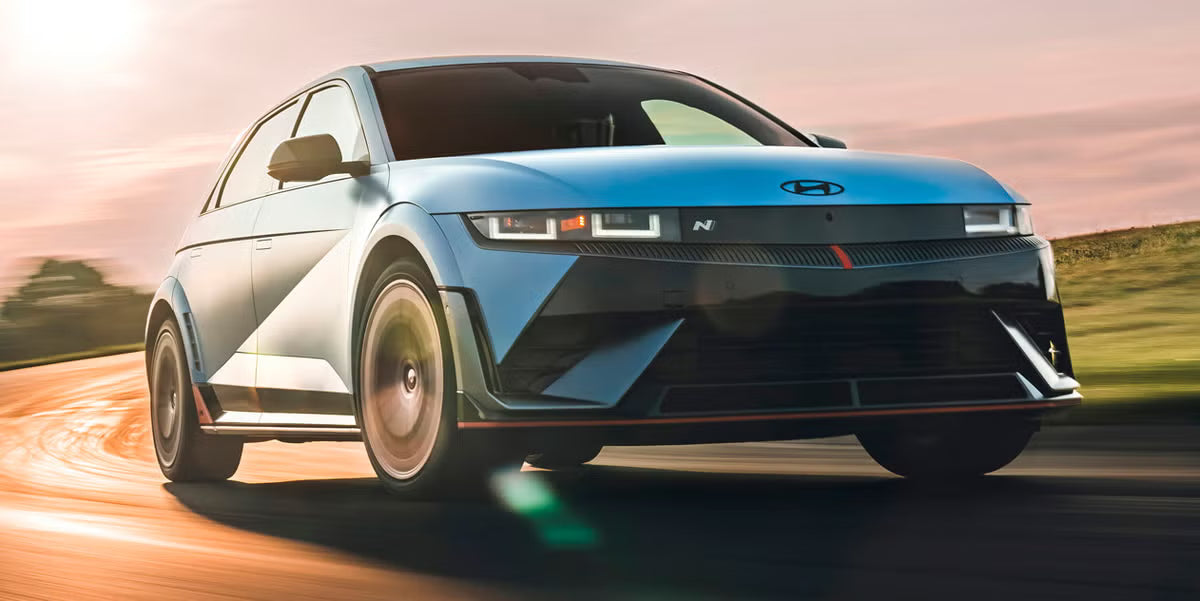
Cadillac, Hyundai, and Mercedes-Benz ranked among the strongest performers, exhibiting very minimal range loss.
-
Tesla vehicles retained over 96% of their original real-world range, placing the brand near the top.
-
Volkswagen, BMW, and Jaguar models showed the most range degradation, but even these brands maintained above 90% of their initial range.
These differences are not solely tied to battery quality. Recurrent notes that sample sizes vary by brand—from hundreds of vehicles to several thousand—and each automaker uses different strategies to manage battery longevity.

Why Some Brands Show No Measurable Loss
One of the most surprising findings is that certain brands appear to show zero range loss after three years. That does not mean their batteries escape aging entirely. Instead, it reflects how manufacturers design and manage their battery packs.
Battery buffers are one key factor. Automakers often restrict part of a battery’s capacity when the car is new. As the pack ages, software can unlock more of this buffer to keep the displayed range consistent. Over-the-air updates can also change driving efficiency by modifying factors like regenerative braking, thermal control or motor response.
Because of this, Recurrent stresses that the results should not be interpreted as a pure measure of battery longevity. Instead, they illustrate how each brand balances customer experience, thermal management and long-term battery health.
Why Older Tech Can Skew Results
Some brands’ rankings reflect the age of their underlying battery technology. For example:
-
Chevrolet’s results are influenced by the Bolt, which uses older cells that degrade more quickly than the newer tech in Cadillac’s Ultium-based EVs.
-
Jaguar’s I-Pace, introduced in 2018, predates many improvements in heat management and charging efficiency.
-
BMW’s numbers include the i3, sold from 2014 to 2022, which does not reflect the capabilities of its newest EV platforms.
Because the study includes vehicles sold in all three years, older models can meaningfully affect a brand’s overall position.

A Predictable Degradation Curve
EV batteries follow a well-established degradation pattern: faster loss in the first few years, then slower decline over the rest of the vehicle’s life. This means that most of the noticeable reduction happens early. After that, range loss becomes incremental and typically minor.
Recurrent’s findings reinforce what many engineers have long stated: range degradation is manageable and rarely a deal-breaker. The biggest takeaway for buyers is reassurance that the EVs on the market today are far more durable than early skeptics predicted.
What This Means for Buyers
Despite differences between brands, the data is overwhelmingly positive. According to Recurrent’s market insights director, most EVs actually exceed their EPA range during the first one to two years, even as their batteries begin to age.
In practice, this means the experience for most drivers will remain consistent for many years. Range anxiety may dominate conversations about EV ownership, but the real-world numbers show that modern batteries perform reliably, degrade slowly and remain practical well beyond the three-year mark.
Recommend Reading: Kia Tops Study as the EV Brand With the Most Durable Batteries
Share:
Volkswagen EVs Gain Access to Tesla’s Supercharger Network Next Week
Sodium-Ion Batteries Reach U.S. Grid Storage, But Big Challenges Remain