





A Transformation Beyond Electrification
The auto industry is undergoing multiple upheavals at once. Electrification is reshaping powertrains, and China’s rise is altering competitive dynamics. Yet Jim Farley, CEO of Ford Motor Company, argues that neither trend represents the most profound disruption.
In a recent interview with Car and Driver, Farley said the industry often groups China, EVs and software together as parallel forces. In his view, they are not equal. He described the software transition as “10 times bigger” than the others. That assessment may sound provocative, but it reflects a deeper shift in how vehicles are engineered, built and monetized.

Centralized Computing Changes the Cost Equation
Many consumers associate large touchscreens and digital interfaces with higher vehicle prices. However, the economics of modern automotive design suggest a different reality.
Early electric pioneers such as Tesla demonstrated that consolidating numerous physical switches into a single high-volume display could reduce complexity and cost. Traditional vehicles relied on dozens of discrete buttons and modules, each engineered separately and connected through extensive wiring. Over time, this approach produced increasingly complicated electrical architectures.
Historically, automakers outsourced much of their software development to suppliers. Components such as seat controls, climate systems, wipers and audio units operated through separate electronic control units. As features multiplied, these systems became harder to integrate. Updating them remotely was often impractical.
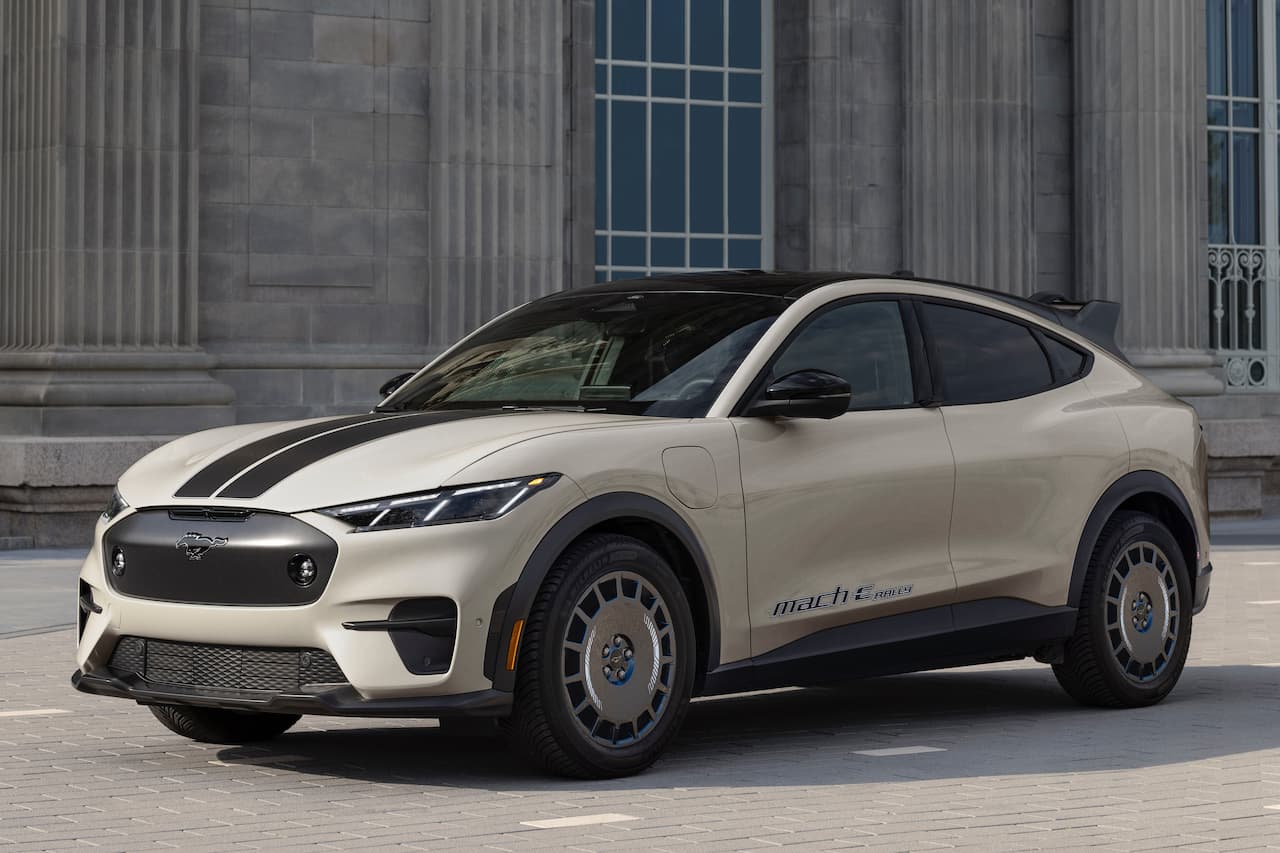
By contrast, centralized computing platforms streamline hardware and enable more efficient updates. Farley has acknowledged that when Ford engineers examined a Tesla vehicle, they found stark differences. He noted that the Mustang Mach-E’s wiring harness was roughly 70 pounds heavier and about 1.6 kilometers longer than Tesla’s comparable setup. That gap reflected fundamentally different design philosophies.
Software as the Engine of Speed and Scale
A software-driven structure does more than simplify wiring. It accelerates product evolution. Companies with unified digital architectures can introduce new features simultaneously across fleets and refine systems through over-the-air updates.
Legacy manufacturers operating under older paradigms often require dealership visits for substantial upgrades. This slows iteration and increases cost. Meanwhile, competitors with centralized systems can deploy improvements more frequently and at lower expense.
That advantage extends beyond infotainment. Battery management, driver assistance, energy efficiency and performance tuning all benefit from cohesive software frameworks. In effect, digital capability becomes a multiplier for hardware innovation.
Chinese automakers have embraced this approach aggressively. Supported by domestic scale and policy alignment, they have produced vehicles that combine competitive pricing with advanced user interfaces. The result is a marketplace where digital experience increasingly influences purchasing decisions.
The Next Competitive Arena: Inside the Cabin
Farley believes the most consequential change has yet to unfold. As driver-assistance technologies advance and partial automation becomes more common, the focus may shift from mechanical attributes to in-car experience.
He has suggested that vehicles could evolve into what he calls a “third space,” complementing home and workplace environments. If highway driving requires less active input, occupants may devote time to work, entertainment or communication. In that context, software ecosystems—rather than horsepower or range—could shape brand loyalty.
While autonomous capability remains uneven globally, the direction of travel is clear. In markets such as China, consumers have shown strong interest in connected features and advanced driver aids. Western buyers may be more cautious, but digital integration continues to expand.
A Different Business Model
For automakers, becoming software-centric entails more than rewriting code. It requires rethinking organizational structures, revenue streams and development cycles. Hardware manufacturing is capital-intensive and cyclical. Software platforms demand continuous refinement, cybersecurity oversight and user-experience research.
The shift also opens the door to recurring revenue through subscriptions and digital services. That possibility changes long-standing financial models built primarily on one-time vehicle sales.
Farley has pointed out that a flexible computing platform could support multiple propulsion systems and applications beyond passenger cars. Centralized digital cores paired with modular hardware might one day power delivery robots, autonomous equipment or even emerging aviation concepts. Whether Ford pursues those avenues is uncertain, but the underlying architecture creates optionality.

Why Software Outweighs the EV Debate
Electrification remains critical from an environmental standpoint. Lower emissions and reduced dependence on fossil fuels carry global implications. Yet from a corporate perspective, transitioning from combustion engines to batteries does not fundamentally alter the nature of the manufacturing business.
Adopting a software-defined model, however, represents a structural change. It compresses development timelines, lowers hardware complexity and enables entirely new services. It also demands cultural adaptation within companies accustomed to long product cycles.
Farley’s assertion that software eclipses EVs and geopolitical competition reflects this broader lens. The companies that master integrated digital platforms may not only build better electric cars—they may redefine what a vehicle is and how it generates value.
As electrification progresses, the most decisive advantage could belong to those who treat software not as an accessory, but as the foundation of the modern automobile.
Recommend Reading: Ford Targets Affordable Electric Pickups With a New Universal EV Platform









Share:
Voice Command Error Linked to Headlight Shutdown Crash in China
Toyota Highlander EV vs Kia EV9 vs Hyundai Ioniq 9 Comparison