





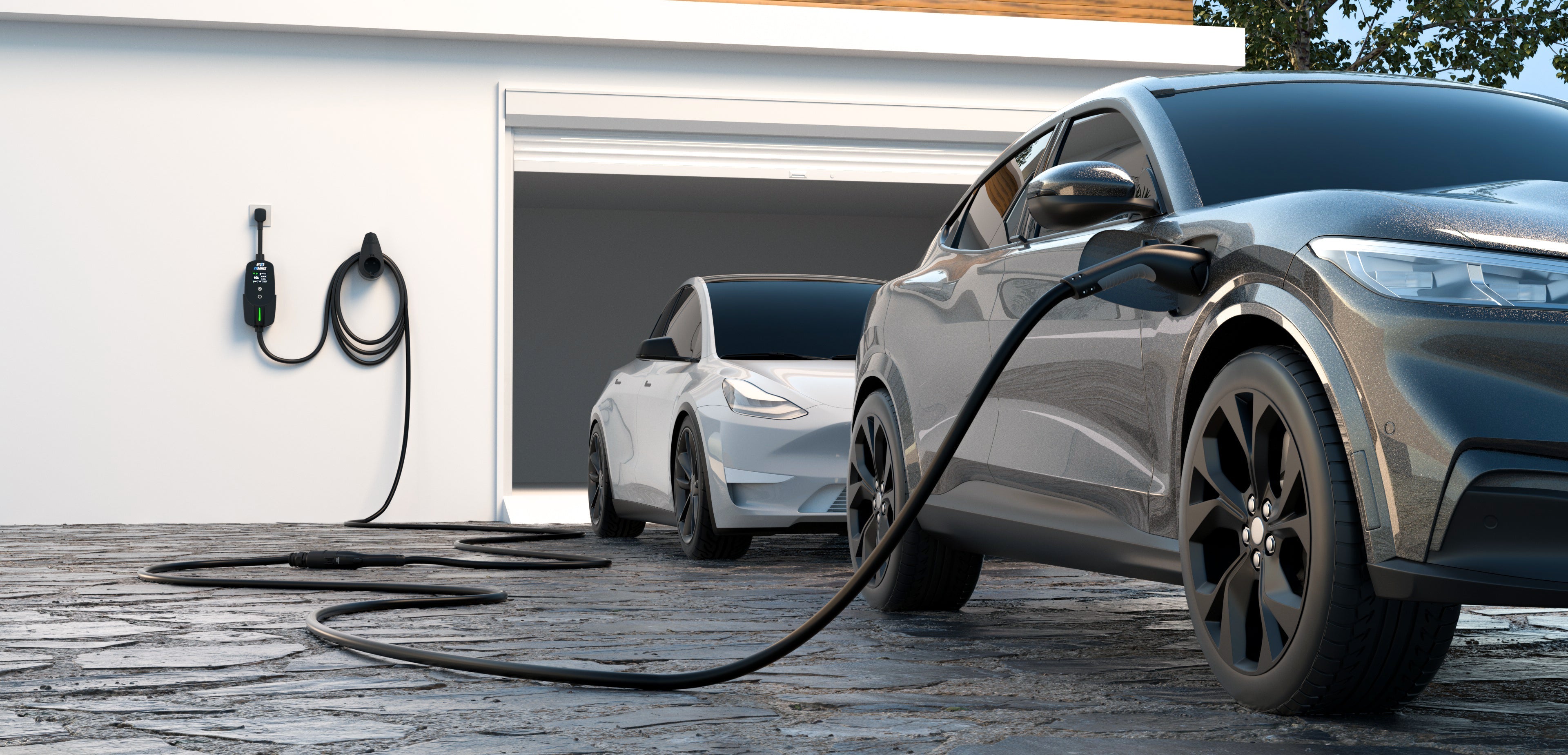
EV Extension Cables: Why the Right Choice Matters
EV extension cables are often the missing link between your charger and a usable outlet. Garages, driveways, shared parking, winter conditions, and multi-car households all create situations where the charging cable simply doesn’t reach.
However, extension cables are also one of the most misunderstood EV accessories. Many buyers focus only on length or price, overlooking critical specifications that directly affect charging safety, efficiency, and long-term reliability.
This guide breaks down every major factor you should evaluate before buying your first EV extension cable.

Cable Length: Longer Isn’t Always Better
Length is usually the first thing buyers look at—but it shouldn’t be the only one.
Common EV extension cable lengths include 21 ft, 30 ft, and 40 ft. While longer cables offer flexibility, they also introduce:
-
Higher electrical resistance
-
More heat buildup under load
-
Greater voltage drop at high amperage
Best practice:
-
Choose the shortest length that reliably reaches your charging point
-
Avoid stacking multiple extension cables
-
For 40 ft cables, ensure the cable is rated for higher amperage and thicker conductors
A high-quality 40 ft cable is safe when properly engineered—but cheap long cables are a red flag.
Charging Standards: NACS vs J1772
Understanding connector standards is essential.
J1772 Extension Cables
J1772 is the long-standing North American AC charging standard. It is compatible with:
-
Most non-Tesla EVs
-
Many Level 1 and Level 2 chargers
-
Public AC charging infrastructure
J1772 extension cables are still widely used, especially for mixed-EV households.
NACS Extension Cables
NACS (North American Charging Standard) is rapidly becoming the dominant connector in the U.S.
NACS-compatible vehicles include:
Why NACS matters:
-
Smaller, lighter connector
-
Higher current capability
-
Broad industry adoption
-
Alignment with Tesla’s charging ecosystem
If you’re buying for the future, NACS is the safer long-term choice.

Amperage Rating: The Most Critical Spec
Amperage determines how much current the cable can safely handle.
Typical ratings include:
-
32A – Entry-level Level 2 charging
-
40A – Mid-range home charging
-
48A–50A – High-power Level 2 charging
Never underspec amperage. A cable rated below your charger’s output can overheat, degrade insulation, or fail under sustained load.
Look for:
-
Clear amperage labeling
-
Continuous current ratings (not peak-only)
-
Thick copper conductors (often shown as lower AWG numbers)
Voltage Compatibility
Most North American Level 2 charging operates at 240V.
Your extension cable should explicitly support:
-
240V AC
-
Both single-phase residential charging and higher-load applications
Avoid cables that only mention voltage indirectly or vaguely.
Weather Resistance and IP Rating
EV extension cables are often used outdoors—even if you don’t plan to.
Key protections to look for:
-
UV-resistant outer jackets
-
Cold-resistant insulation for winter climates
Low-quality cables can become stiff, brittle, or cracked in freezing conditions, increasing failure risk.

Connector Quality and Locking Design
The connectors matter as much as the cable itself.
High-quality connectors should:
-
Lock securely into vehicle and charger ports
-
Maintain firm contact under vibration
-
Resist moisture ingress
-
Use heat-resistant internal materials
Loose connectors cause arcing, heat buildup, and charging interruptions.
Certifications and Compliance
Unlike EVSE chargers, extension cables often lack a single unified certification.
Still, you should look for:
-
ETL-tested materials
-
Compliance with SAE standards where applicable
Transparency in testing and materials is a strong indicator of quality.
Common Red Flags to Avoid
Be cautious if a cable:
-
Doesn’t clearly state amperage or voltage
-
Is significantly cheaper than comparable products
-
Uses thin or overly flexible conductors
-
Lacks weather or temperature ratings
Cheap extension cables may work briefly—but fail under sustained EV charging loads.

A Note on Our EV Extension Cables
At EVDANCE, our extension cables are designed specifically for real-world EV charging scenarios.
They feature:
-
High-current copper conductors
-
NACS-focused designs aligned with industry trends
-
IP66 Weather-resistant construction
-
Clearly rated specifications for transparency and safety
We build our cables to be accessories you can rely on—not compromises.
Final Thoughts
An EV extension cable isn’t just a convenience—it’s part of your charging system.
By understanding length, standards, amperage, weather resistance, and build quality, you can confidently choose a cable that protects both your vehicle and your home.
When in doubt, prioritize safety, transparency, and future compatibility.
Recommend Reading: How to Safely Use Your EV Extension Cable?


Share:
How to Safely Use Your EV Extension Cable?
Extended-Range Electric Vehicles Headed to the U.S. Market