





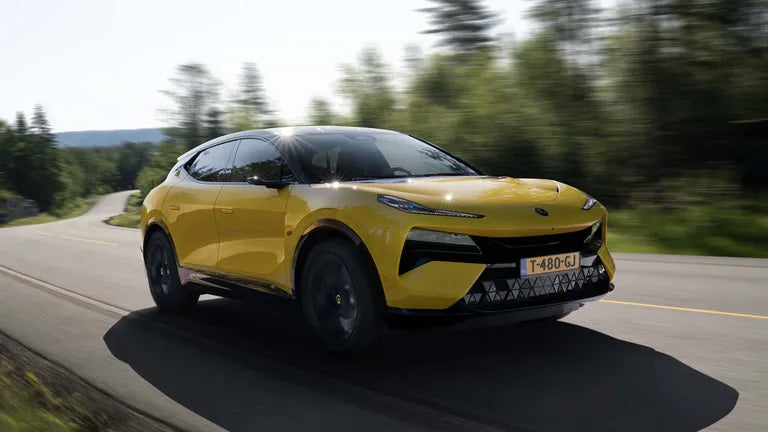
Canada’s decision to sharply reduce tariffs on Chinese-made electric vehicles is already reshaping the country’s EV pricing landscape. One of the first brands to benefit is Lotus, which says its high-performance Eletre electric SUV will see a price reduction of roughly 50% as the new policy takes effect.
The move highlights how quickly trade policy changes can alter market dynamics—especially for premium EVs that were previously priced out of reach by steep import duties.

A Major Tariff Reset With Immediate Effects
Canada recently announced it would lower tariffs on Chinese-built EVs from 100% to 6.1%, marking a dramatic reversal from its previous protectionist stance. The decision was confirmed by Prime Minister Mark Carney following trade discussions with Chinese officials.
Under the agreement, up to 49,000 Chinese EVs per year will be allowed into Canada, with the quota rising to around 70,000 units within five years. In exchange, China will reduce tariffs on select Canadian exports, including agricultural goods such as canola.
While the import cap represents only about 2.5% of Canada’s annual new-vehicle market, the policy change is significant because it opens the door to both affordable and premium Chinese-made EVs—segments that were effectively blocked under the old tariff regime.
Lotus Eletre Becomes a Test Case
Lotus Technology, which is majority-owned by China’s Geely Group, confirmed that the tariff reduction will directly affect pricing for the China-built Lotus Eletre. According to the company, wholesale deliveries are expected to rise rapidly as the lower duties filter through to retail prices.
The Eletre was originally launched in Canada with a starting price of CAD 126,800, but current listings only show the ultra-premium Eletre Carbon, priced at over CAD 300,000. That top-tier version features 905 horsepower, a dual-motor AWD setup, and a 109 kWh battery delivering an estimated 280 miles of range.
If Lotus reintroduces lower trims under the new tariff structure, a 50% price reduction could place the Eletre close to the price range of mass-market EVs like the Tesla Model Y, while offering significantly higher performance and interior quality.
Quotas Favor Affordable EVs—But Leave Room at the Top
The new framework prioritizes affordability. More than half of the allowed imports must be priced below CAD 35,000, signaling Canada’s intent to improve EV access for mainstream buyers.
However, the policy does not exclude premium vehicles, and Lotus appears eager to occupy that space. The Eletre’s repositioning suggests that luxury Chinese-built EVs may quietly gain traction alongside lower-cost models from other manufacturers.
This balance could create a two-track market: affordable EVs aimed at volume buyers, and high-end imports that compete directly with European and American luxury brands.
A Signal to Other Automakers
Lotus is unlikely to be the only automaker to respond. Industry analysts expect additional Chinese and China-backed brands to announce pricing revisions as Canada’s revised tariff structure becomes operational.
For manufacturers facing slowing growth in China and higher barriers in the U.S., Canada now represents one of the most accessible North American entry points. Even modest volumes could justify expanded distribution, localized marketing, or future assembly investments.

A Turning Point for Canada’s EV Market
While the immediate impact will be limited by quotas, the longer-term implications are substantial. Lower-priced imports increase competition, place pressure on established brands, and could accelerate EV adoption—especially as domestic incentives remain uncertain.
For consumers, the message is clear: policy, not technology, may be the biggest factor shaping EV prices in Canada over the next few years. And for automakers like Lotus, the door has just opened much wider.
Recommend Reading: Kia EV5 Arrives in Canada With Low Pricing and NACS Charging


Share:
Ram 1500 REV Extended Range: First Look at the Production Truck
How Tesla Managed to Grow EV Sales in Japan While Other Markets Slowed