



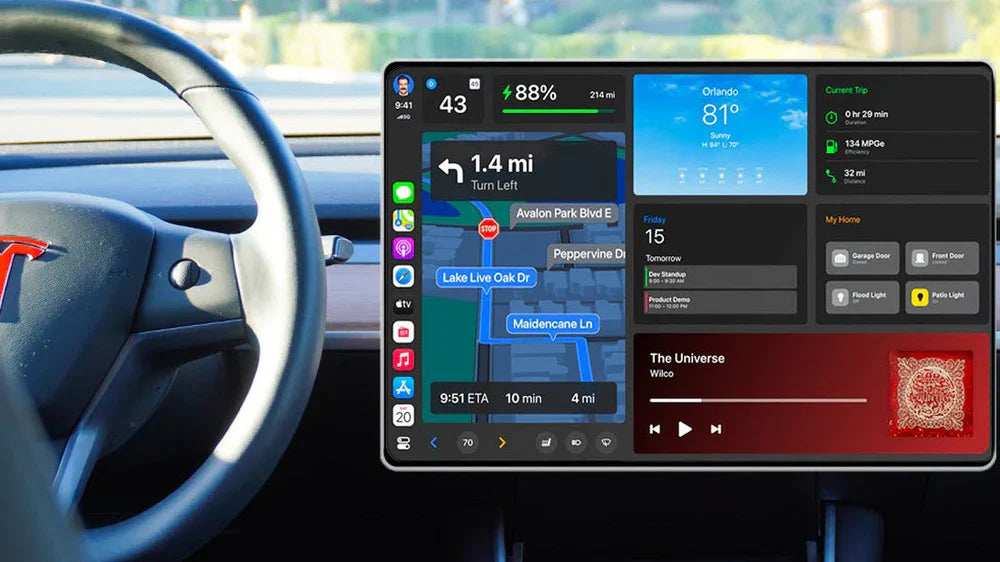
Tesla Begins Internal CarPlay Testing
Tesla is reportedly preparing one of its most surprising software pivots yet: adding Apple CarPlay to its vehicles. According to Bloomberg, the company has begun internal testing and is evaluating a public release in the coming months. While Tesla may still cancel the feature before launch, the development suggests a meaningful shift in strategy for the automaker.
For over a decade, Tesla positioned its in-house infotainment system as a core differentiator, relying on proprietary apps, its iconic touchscreen layout, and frequent over-the-air updates. CarPlay integration would mark the first time Tesla allowed a third-party interface within its ecosystem, signaling an effort to broaden appeal amid slowing global sales.

How Tesla Might Integrate CarPlay
Unlike most automakers that hand over the entire infotainment display to CarPlay, Tesla is exploring a windowed approach. Bloomberg reports that CarPlay would run within a portion of Tesla’s user interface, allowing drivers to use smartphone-based apps—such as PlugShare, Waze, or iMessage—while still retaining access to Tesla-exclusive menus.
This approach preserves Tesla’s emphasis on software identity while acknowledging consumer demand for familiar smartphone ecosystems. The integration could also reduce friction for buyers wary of learning a new interface dominated by a large touchscreen.
Why Tesla Is Considering This Shift
A Response to Slowing Growth
Tesla’s EV sales have plateaued despite launching updated versions of the Model 3, Model Y, and the Cybertruck. Incentives such as trial periods for Full Self-Driving (Supervised) or free Supercharging have shown limited impact, and analysts expect Tesla to finish 2025 with fewer deliveries than the prior year.
Early growth was propelled by tech-savvy enthusiasts eager for cutting-edge EV features. Now, as adoption expands to mainstream buyers, Tesla faces greater pressure to meet broader expectations—including compatibility with Apple’s ecosystem.
CarPlay as a Competitive Advantage
A McKinsey study estimates that one in four EV shoppers will not purchase a vehicle without CarPlay or Android Auto. With over 80% of drivers regularly using phone-projection systems, integrating CarPlay could be one of the easiest ways for Tesla to make its vehicles more accessible to non-enthusiasts.
For drivers hesitant about Tesla’s interface-heavy design, CarPlay may reduce perceived complexity. Familiarity is a powerful motivator, especially for buyers comparing EV options for the first time.
Industry Implications: A Turning Point?
Tesla’s potential reversal carries weight beyond its own product lineup. Historically, Tesla has influenced industry trends—from large touchscreens to software-defined interiors. If Tesla embraces CarPlay, it may weaken anti-CarPlay positions across the market.
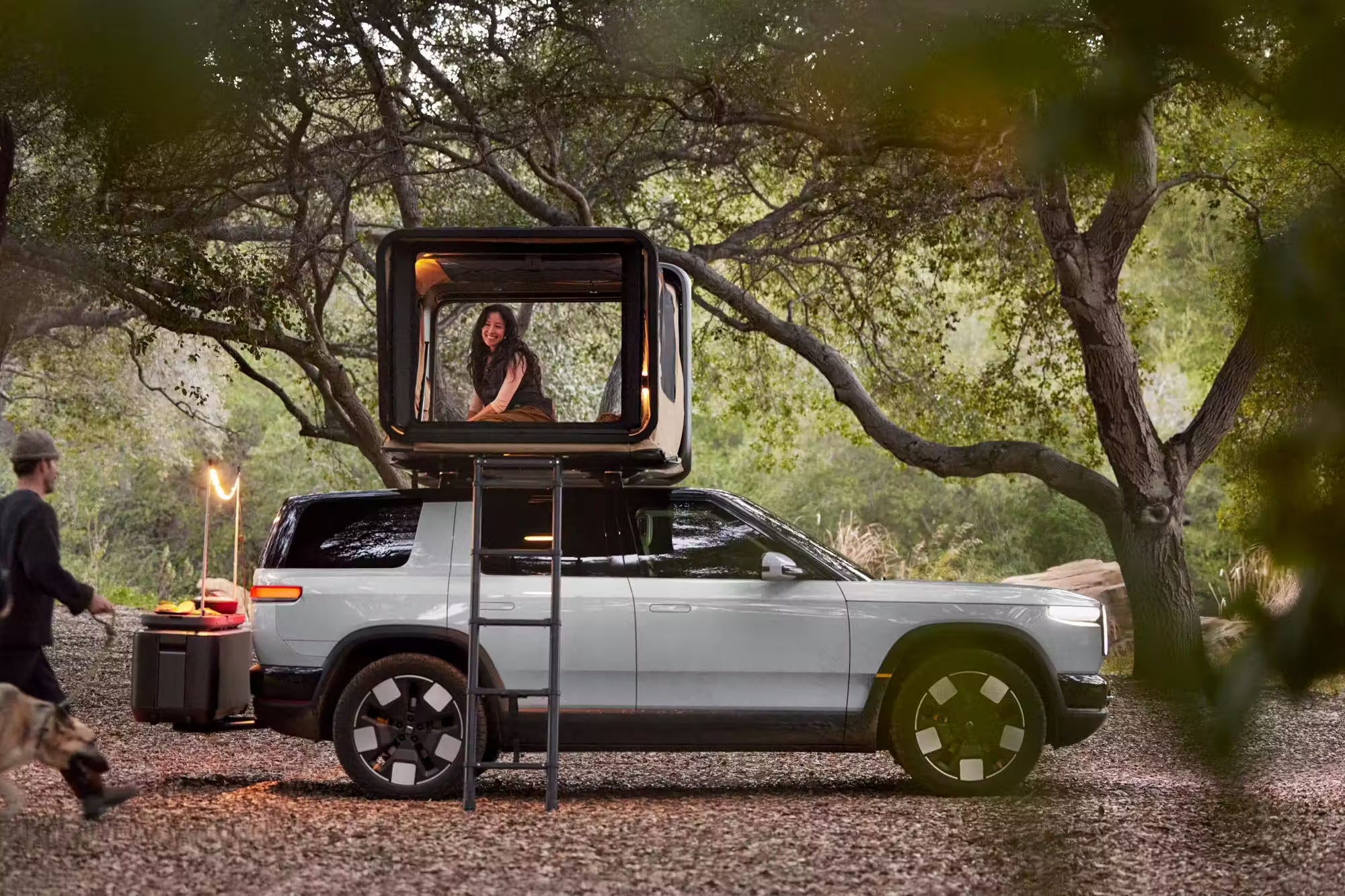
Rivian, for example, has publicly rejected CarPlay and Android Auto in favor of full control of the digital experience. General Motors has gone even further, removing both systems from its EVs and stating that it will extend the policy to combustion vehicles. This stance has drawn significant consumer criticism.
At the same time, Apple is expanding its automotive ambitions. Its new CarPlay Ultra is designed to control not only entertainment but also cluster displays, HVAC settings, and vehicle information, raising the stakes in the battle for dashboard dominance.

What This Means for Tesla and the Market
If Tesla moves forward, it will signal that customer expectations—not corporate ideology—are shaping the future of in-car software. The decision could also validate the view that third-party ecosystems are now too important for automakers to ignore.
Whether others follow Tesla’s lead remains to be seen. But one thing is clear: the fight for control of the car’s primary screen is entering a new phase, and Tesla’s next move will carry significant industry influence.
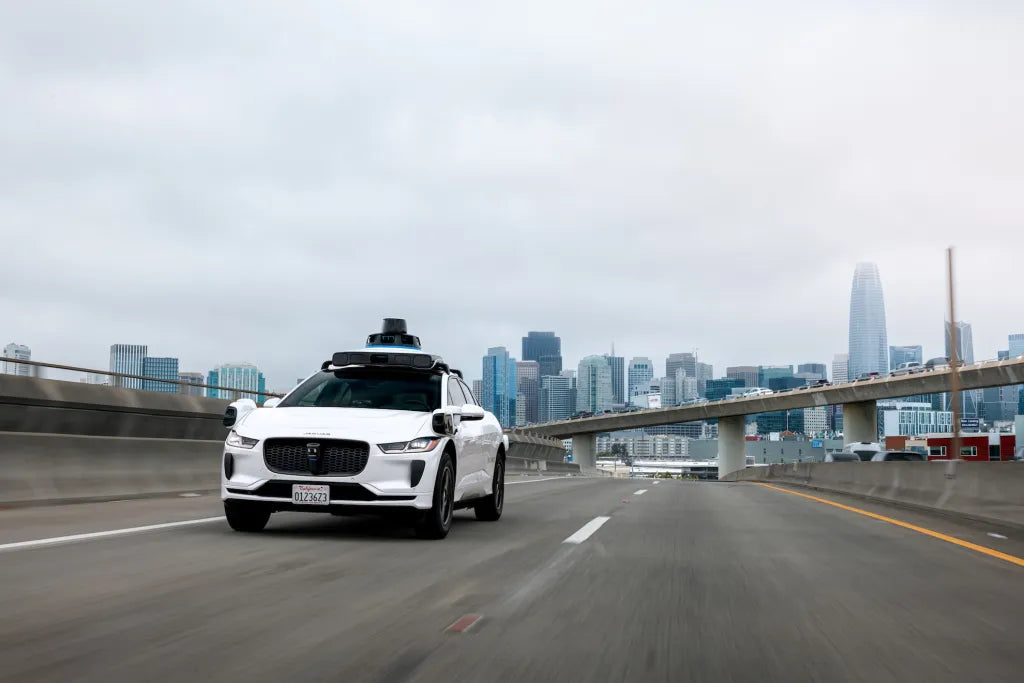
Recommend Reading: Waymo Expands Robotaxi Service to Highways in Three U.S. Cities
Share:
Why the F-150 Lightning’s Market Troubles Reveal a Bigger EV Problem
New Battery Thermal Device Promises Faster Charging and Longer EV Range