




A Turning Point in China’s EV Market
China’s electric vehicle sector has reached a pivotal moment. After years of rapid growth and heavy investment, several domestic EV manufacturers are now reporting consistent profits. This shift comes as Western automakers continue to spend billions to develop electric models, struggling to balance costs with demand.
In 2025, Leapmotor recorded its first full-year profit of $78 million, reversing a $410 million loss from the previous year. Nio reported an adjusted net profit of $104 million in the fourth quarter, a dramatic improvement from a nearly $900 million loss in the same period of 2024. Xpeng also returned to profitability, posting about $55 million in net profit during Q4, compared to a $190 million loss the year before.

Market Expansion and Competitive Positioning
These results highlight how Chinese EV companies, including BYD, Xiaomi, and Li Auto, are transitioning from high-growth startups into financially sustainable enterprises. Analysts see this as a signal that the center of EV innovation and profitability is shifting eastward.
According to Tu Le, founder of Sino Auto Insights, Chinese manufacturers are systematically studying market trends, competitors, and internal performance, adjusting their operations more efficiently than many Western rivals. This data-driven approach allows companies to make precise strategic decisions and streamline their growth.
Western Automakers Struggle to Match Profits
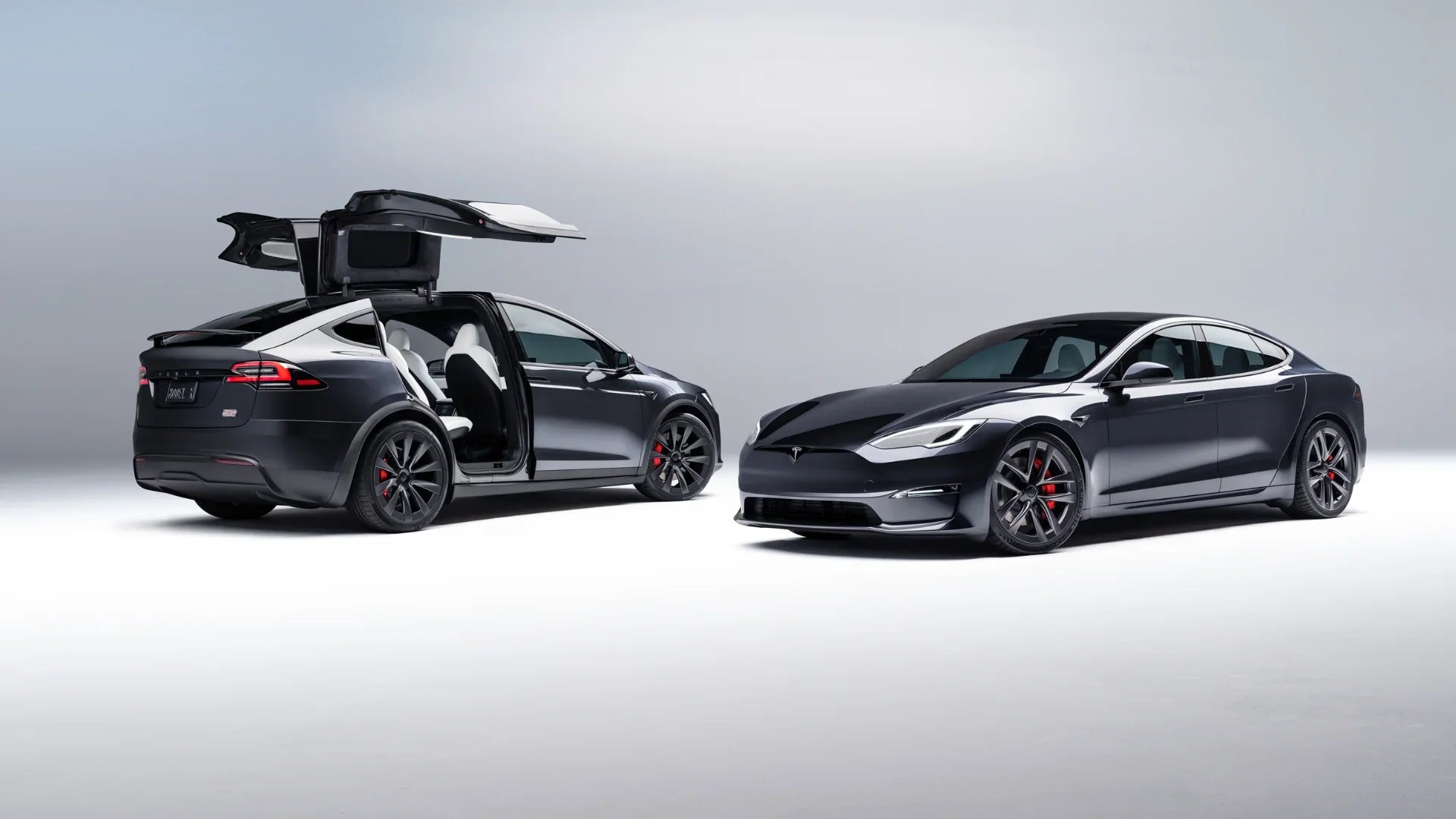
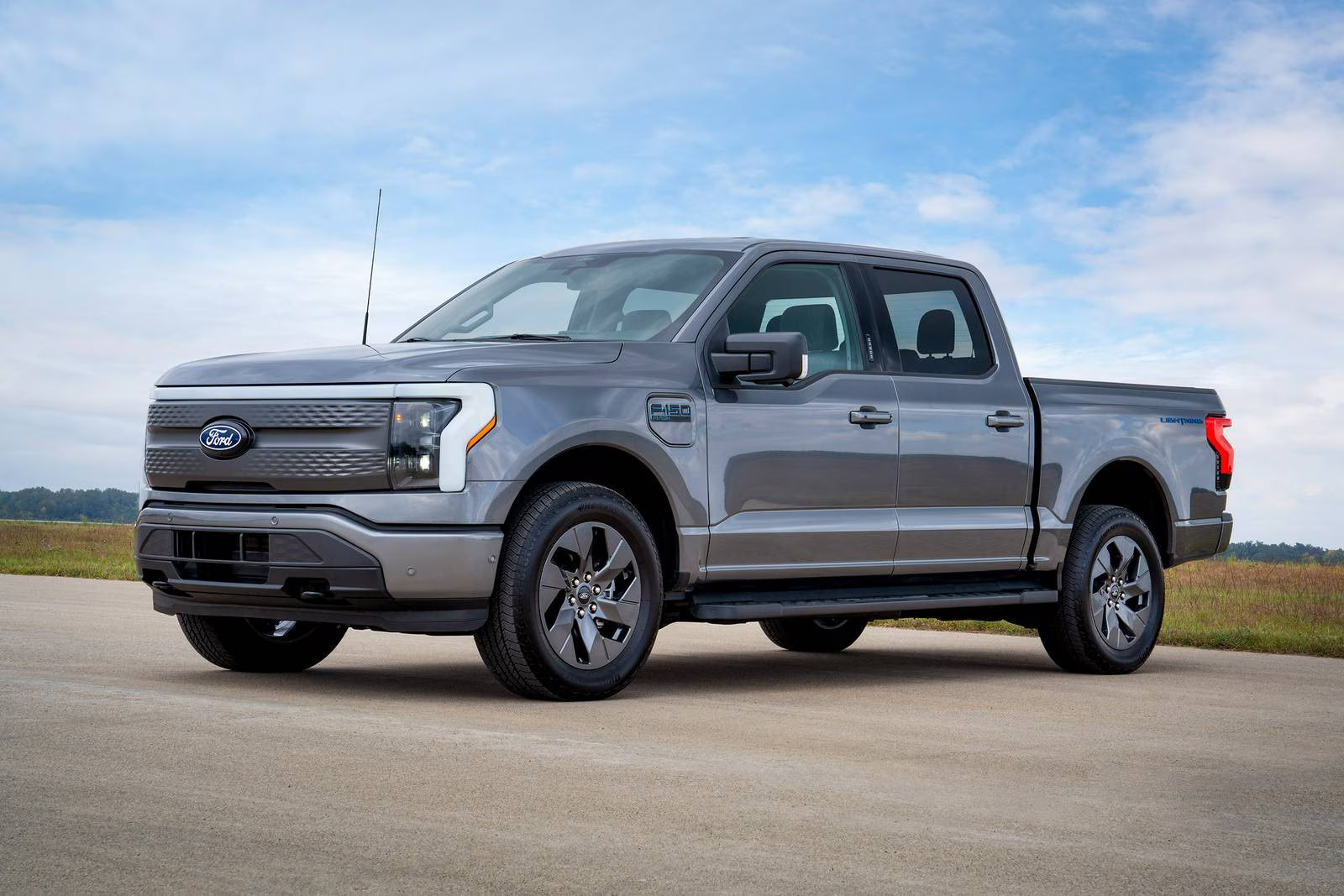
By comparison, Tesla remains the only consistently profitable EV-focused company in the West, although its margins have recently declined amid moves into AI and robotics. Legacy U.S. automakers, including GM, Ford, and Stellantis, recorded multi-billion-dollar charges last year as they recalibrated EV strategies. European brands face similar pressures, yet companies such as BMW, Volkswagen, Mercedes-Benz, Audi, and Volvo continue rolling out vehicles with longer ranges, faster charging, and upgraded software to stay competitive.
Structural Advantages in China
Chinese EV firms benefit from a combination of government support and industry structure. BYD, for instance, received at least $3.7 billion in subsidies, and China’s total support for the EV sector is estimated at $230 billion from 2009 to 2023. These resources accelerate production, research, and market expansion.
Beyond subsidies, vertical integration is a critical advantage. BYD produces roughly 75% of its EV components internally, including batteries, electric motors, and power electronics. Many other manufacturers follow similar models, reducing reliance on suppliers, controlling costs, and enhancing product differentiation. Vertical integration also ensures access to China’s battery supply, a component that represents the highest cost in electric vehicles.

Innovation and Market Adaptation
Chinese EV companies are also developing innovative business strategies. Nio, for example, now operates three distinct brands: a premium line, a mass-market marque, and a compact sub-brand. Battery-swapping services complement these models, with over 3,750 stations nationwide and a single-day record of 177,627 swaps in February.
Nio’s path to stability was challenging; it nearly collapsed during the pandemic before receiving $1 billion in state-backed financing, followed by $2.2 billion from Abu Dhabi’s sovereign fund in 2023. Meanwhile, Leapmotor leverages its partnership with Stellantis to sell vehicles in Europe without establishing proprietary retail networks, reaching 596,555 units globally in 2025 across 40 countries.
Tech Giants Enter the EV Space
Even consumer electronics firms are making inroads. Xiaomi, with no prior automotive experience, launched its SU7 sedan in 2024. Within two years, it sold over 380,000 units and achieved its first quarterly profit in just 19 months. The company integrates vehicles into its “Human x Car x Home” ecosystem, creating seamless connectivity across devices and positioning itself as both a technology and mobility provider.
Such rapid execution contrasts with companies like Apple, which spent years and billions on vehicle development under “Project Titan” before abandoning it. Xiaomi’s scale and integration strategy have allowed it to compete successfully against established EV players.

Implications for the Global Market
The growing profitability and operational maturity of Chinese EV firms present a competitive challenge internationally. The U.S. market is still expanding, but the arrival of Chinese EVs in North America—including markets like Canada and Mexico—signals intensifying competition. Automakers that delay adopting aggressive EV strategies risk losing ground to well-capitalized Chinese entrants.
Tu Le notes that hesitation in embracing the transition from internal combustion engines to EVs no longer pays off. The window for a gradual, measured shift has closed; decisive moves are required to remain competitive in a rapidly evolving global automotive landscape.
Recommend Reading: China’s EV Export Boom Accelerates Across Mexico, Europe, and Asia

Aktie:
Sony Honda Afeela EV Project Cancelled: What Happened
BYD Targets 1.5 Million Overseas Sales Despite Recent Profit Decline