





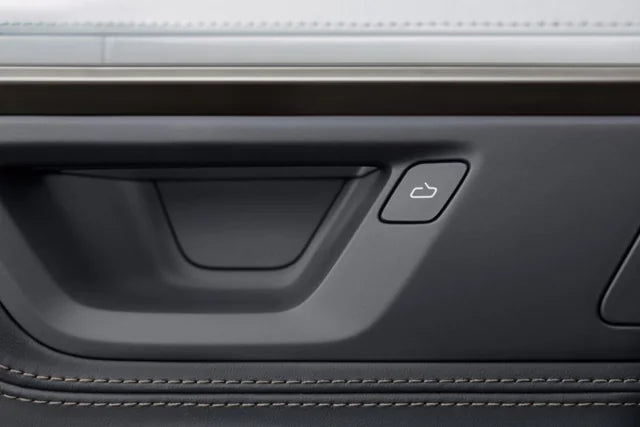
Electronic door handles are becoming common in modern electric vehicles, providing sleek aesthetics and improved aerodynamics. However, these handles can pose safety risks if power fails, leaving passengers trapped inside.

The Challenge of Electronic Door Handles
Many EV makers prioritize efficiency and design over traditional manual functionality. Tesla has faced criticism in the past, as passengers and first responders have struggled to locate manual releases during emergencies.
Rivian is now experiencing similar issues. With the 2025 mid-life refresh of the R1T and R1S, the rear door emergency release was relocated inside the door panel, requiring removal of trim to access the cord. While the front doors still operate manually if power is lost, rear passengers now face difficult access in urgent situations.
Owners Take Matters Into Their Own Hands
Some Rivian owners are modifying rear door releases themselves to prevent potential hazards, especially for children traveling in the back seats.
Reddit user dublew_dubs shared a DIY guide for adding a paracord to the manual release cord. He explained that the release sits deep inside the door, behind a tightly fitted trim, making it almost impossible for an adult—and especially children—to reach in an emergency.
Another user, AlsonCentral, posted a guide using a steel cable, carabiner, and metal ring to extend the release. They also trained their children to only use it in actual emergencies, highlighting the seriousness of the potential danger.
Other owners have added window smashers to their vehicles as a precaution, similar to actions taken by some Tesla drivers after past incidents where passengers were trapped.
Safety Concerns Highlighted by NHTSA
Earlier this year, the National Highway Traffic Safety Administration (NHTSA) launched a preliminary investigation into Tesla’s electronic door handles to determine if they constitute a safety defect.
Rivian’s design change mirrors broader concerns in the EV industry about the trade-off between sleek electronic mechanisms and reliable emergency access. Incidents where passengers are trapped—even momentarily—underscore the importance of accessible manual releases.
Future Redesigns Planned
Both Tesla and Rivian have acknowledged the issues and are planning updates:
-
Tesla: Franz von Holzhausen, design chief, said the company aims to combine electronic and manual releases into a single mechanism for easier access in emergencies.
-
Rivian: The upcoming R2 SUV will feature redesigned door handles to ensure safer emergency egress.
These redesigns follow owner feedback and real-world safety incidents, emphasizing the need for EV manufacturers to balance innovation with practicality.

The Takeaway for EV Owners
While electronic door handles enhance vehicle aesthetics and efficiency, safety must remain a priority. Rivian owners have demonstrated resourcefulness by implementing DIY solutions to ensure rear passengers can exit in emergencies.
As EV adoption grows, manufacturers are likely to reassess design standards to avoid hazards while maintaining modern styling. For now, owners of current models may consider temporary modifications or emergency tools as a precaution, especially for vehicles carrying children.
Recommend Reading: 2026 Ford Mustang Mach-E Gains Subtle but Useful Rear Door Handles










Share:
Tesla Model 3 Performance vs. Ford Mustang Dark Horse: A Close Race
Chevy Silverado EV LT Review: 23,000 Miles of Strong Performance