

As electricity demand surges across the United States, electric vehicles may play a surprising role in stabilizing the grid, thanks to bidirectional charging technology.

Toyota Highlights EVs’ Potential to Support the Power Grid


Rising Electricity Demand and EVs

The U.S. is facing unprecedented electricity demand driven by AI data centers, extreme temperatures, and an aging grid. At first glance, adding millions of EVs to the mix may seem risky. However, modern EVs can not only draw power but also supply it back, helping balance the grid during peak usage.

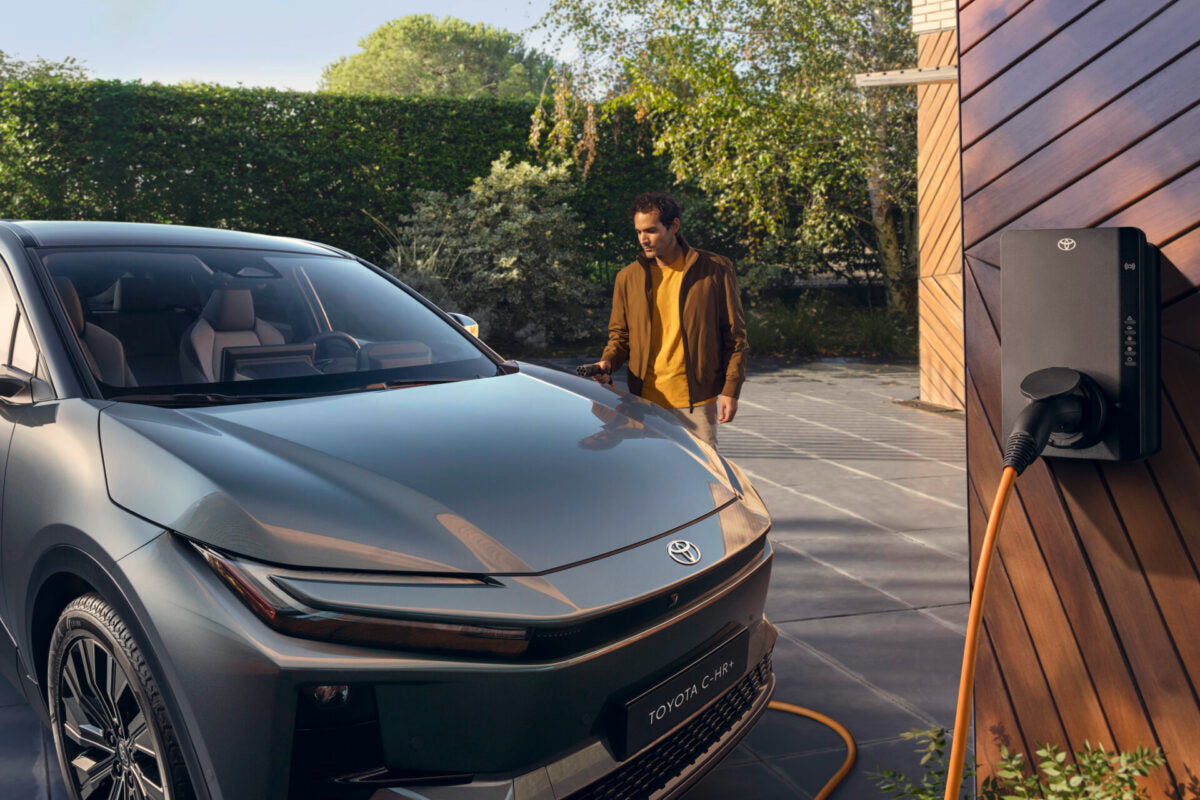
Bidirectional charging allows EVs to power homes, devices, or even send electricity back to the local utility network. This feature, increasingly included in new EVs, is the foundation for vehicle-to-grid (V2G) systems.


Toyota’s Pilot Programs

Toyota is taking steps to explore V2G potential. The automaker recently expanded a pilot program at its North American headquarters in Plano, Texas, in collaboration with utility Oncor and Fermata Energy’s bidirectional charger. A Japanese-spec bZ4X test vehicle is currently feeding energy back into the grid.

According to Toyota, the charger “analyzes price signals and grid conditions to determine optimal times to charge or discharge,” maximizing benefits for both drivers and utilities.

Toyota is also testing similar programs with San Diego Gas & Electric and Pepco in Maryland, monitoring both local energy needs and customer participation.


How V2G Works

In V2G programs, EV owners connect to specialized chargers capable of sending electricity back into the grid. The utility must be equipped to receive this energy. When the grid requires additional power, energy stored in the EV is transmitted to support local supply. Drivers often receive credits for contributing, and they can opt out or unplug at any time.

These systems are sometimes called “virtual power plants”, creating a network of distributed energy storage that can respond dynamically to demand.


The Scale of EV Grid Support

Toyota estimates that if all 4 million battery electric vehicles in the U.S. were V2G-enabled, they could collectively provide around 40,000 megawatts of power, roughly equivalent to 40 nuclear reactors.

This capability highlights a significant advantage over gasoline vehicles, which can only deliver energy to move themselves. EVs equipped with bidirectional charging could relieve stress on the grid, reduce peak energy costs, and improve resilience.

Toyota Highlights EVs’ Potential to Support the Power Grid


Future Implications

Currently, Toyota does not offer consumer EVs with V2G or V2L functionality, unlike brands such as Hyundai, Nissan, Ford, and General Motors. However, the company’s pilot programs indicate that integration is likely in the future.

Christopher Yang, Toyota Motor North America’s Senior VP of Enterprise Strategy & Solutions, said, “By enabling bidirectional charging, we’re exploring how we can help customers save money while reducing carbon emissions. It’s a win-win for drivers and the environment.

As more EVs adopt V2G technology, residential electricity costs could stabilize, and renewable energy integration may become easier, paving the way for a smarter, more resilient power system.

Recommend Reading: How to Power Your RV Using EV Bidirectional Charging?

Hinterlassen Sie einen Kommentar

Bitte beachte, dass Kommentare vor der Veröffentlichung freigegeben werden müssen.

Diese Website ist durch hCaptcha geschützt und es gelten die allgemeinen Geschäftsbedingungen und Datenschutzbestimmungen von hCaptcha.

FAQs

Was ist V2G-Technologie (Vehicle-to-Grid)?

V2G steht für Vehicle-to-Grid und ist eine Technologie, die es Elektrofahrzeugen ermöglicht, gespeicherte Energie in das Stromnetz zurückzuspeisen. Dadurch werden Elektrofahrzeuge von passiven Energieverbrauchern zu aktiven Energielieferanten und tragen so zur Netzstabilität und Energieeffizienz bei.

Wie funktioniert V2G in Elektrofahrzeugen?

V2G ermöglicht bidirektionales Laden über kompatible Elektrofahrzeuge und Ladegeräte. Wenn das Netz Strom benötigt, entlädt das Elektrofahrzeug gespeicherten Strom; wenn überschüssige Energie verfügbar ist, wird es geladen. Diese dynamische Interaktion trägt dazu bei, Energieangebot und -nachfrage auszugleichen.

Welche Vorteile bietet die Nutzung von V2G?

V2G bietet zahlreiche Vorteile: Netzstabilisierung, geringere Energiekosten für Elektrofahrzeugbesitzer, verbesserte Integration erneuerbarer Energien und potenzielle Einnahmen aus Energiedienstleistungen. Es verwandelt Elektrofahrzeuge in mobile Energiespeicher, von denen sowohl Nutzer als auch Energieversorger profitieren.

Welche EV-Modelle unterstützen derzeit V2G?

Zu den V2G-kompatiblen Elektrofahrzeugmodellen gehören der Nissan Leaf , der Ford F-150 Lightning sowie bestimmte Fahrzeuge von Hyundai und Kia . Die Unterstützung hängt jedoch sowohl vom Bordwechselrichter des Fahrzeugs als auch von der Verfügbarkeit einer V2G-fähigen Ladeinfrastruktur ab.

Benötige ich für V2G spezielle Ladegeräte?

Ja. V2G erfordert ein bidirektionales Ladegerät , das den Stromfluss zum und vom Fahrzeug unterstützt. Ladegeräte müssen je nach Elektrofahrzeugmodell und Netzkompatibilität Standards wie CHAdeMO , ISO 15118 oder CCS erfüllen.

Ist V2G für den privaten Gebrauch verfügbar?

Während V2G hauptsächlich in kommerziellen oder Pilotprogrammen eingesetzt wurde, ist V2G im privaten Bereich auf dem Vormarsch , insbesondere in Regionen wie Europa und Teilen der USA. Hausbesitzer benötigen eine Netzzulassung, ein V2G-kompatibles Elektrofahrzeug und ein zugelassenes bidirektionales Ladegerät.

Welchen Einfluss hat V2G auf die Lebensdauer der EV-Batterie?

V2G kann aufgrund häufigerer Ladezyklen den Batterieverschleiß leicht erhöhen. Intelligente Energiemanagementsysteme und Herstellerrichtlinien sollen den Verschleiß jedoch minimieren und so eine lange Lebensdauer und einen sicheren Betrieb gewährleisten.

Kann V2G dazu beitragen, meine Stromrechnung zu senken?

Ja. V2G ermöglicht es Besitzern von Elektrofahrzeugen , überschüssige Energie während der Spitzenzeiten an das Netz zurückzuverkaufen oder an Energiehandelsmärkten teilzunehmen. Dadurch können die Ladekosten ausgeglichen und die Gesamtenergiekosten gesenkt werden.

Ist V2G für mein Elektrofahrzeug und mein Zuhause sicher?

V2G-Systeme sind mit mehreren Sicherheitsprotokollen ausgestattet, um Überentladung, Überhitzung und Systemfehler zu verhindern. Zertifizierte V2G-Ladegeräte entsprechen internationalen Standards und bieten Schutz für das Fahrzeug und das Hausnetz.

Was ist der Unterschied zwischen V2G und V2L?

V2G speist Energie zurück ins Netz ein, während V2L (Vehicle-to-Load) einzelne Geräte oder Haushalte direkt aus der Batterie des Elektrofahrzeugs mit Strom versorgt. V2G interagiert mit Versorgungsunternehmen; V2L ist lokaler und netzunabhängiger.

EV-Neuigkeiten

Alle anzeigen

Chevy Silverado EV LT Review: 23,000 Miles of Strong Performance

Chevy Silverado EV LT Review: 23,000 Miles of Strong Performance

A 2025 Chevy Silverado EV LT owner reviews 22,820 miles of driving, praising its strong towing performance, quiet and comfortable ride, low maintenance needs, and substantial savings through purchase incentives.

Weiterlesen

Rivian Owners Modify Rear Doors to Ensure Safety in Emergencies

Rivian Owners Modify Rear Doors to Ensure Safety in Emergencies

Rivian's 2025 R1T and R1S rear doors pose safety risks due to electronic handles. Owners are creating DIY fixes for emergency access, while the company plans redesigned handles for future models.

Weiterlesen

Tesla Model 3 Performance vs. Ford Mustang Dark Horse: A Close Race

Tesla Model 3 Performance vs. Ford Mustang Dark Horse: A Close Race

The Tesla Model 3 Performance and Ford Mustang Dark Horse were tested head-to-head, with results surprisingly close. Tesla impresses with versatility and instant acceleration, while the Mustang excels on the track.

Weiterlesen