





Market Adjusts After Federal Incentive Expiration
Four months after the federal $4,000 used EV tax credit expired, the secondhand electric vehicle market is beginning to reflect demand without government support. Early data suggest that most used EV prices have softened. However, one brand is moving in the opposite direction.
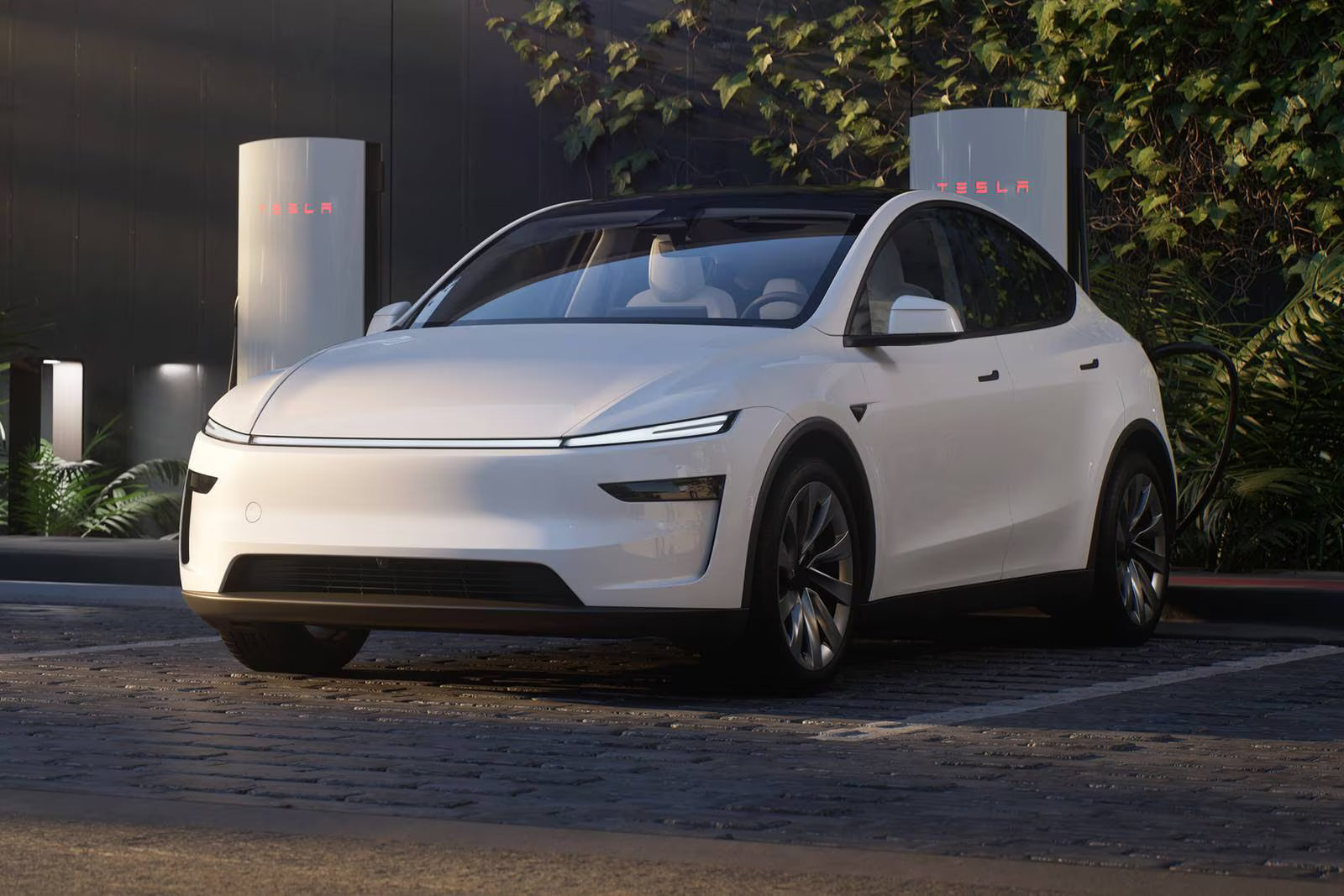
A recent analysis from automotive research firm iSeeCars shows that while the broader used EV segment has declined in value, Tesla models have actually appreciated. The shift highlights uneven demand within the electric market and suggests that not all EVs respond the same way to policy changes.

Used Tesla Values Move Higher
According to iSeeCars, the average transaction price for pre-owned Teslas rose 4.3%, reaching $31,329 in the months following the incentive’s end. By contrast, the average price for other used electric vehicles dropped 3.6%, settling at $23,738.
The study evaluated more than 1.7 million used vehicles between one and five years old, along with millions of new-car transactions, covering the period from September 2025 through January 2026.
iSeeCars Executive Analyst Karl Brauer noted that many manufacturers and dealers appear to be lowering prices to compensate for the loss of federal support. Tesla, however, has shown unusual resilience. While most competitors adjusted downward, Tesla’s used values moved higher.
Which EVs Saw the Biggest Declines?
Several mainstream electric models experienced notable price reductions. Among the largest drops were:
-
Hyundai Kona Electric: down 6.4%
-
Volkswagen ID.4: down 6.2%
-
Kia Niro EV: down 5.2%
-
Ford Mustang Mach-E: down 5.1%
-
Nissan Leaf: down 4.6%
These declines suggest that without the tax credit, buyers are more price-sensitive in the non-Tesla segment. Incentives had previously narrowed the affordability gap, particularly for lower-cost EVs.
Why Tesla Is an Outlier
One explanation for Tesla’s pricing strength lies in ownership experience. For many consumers, a used Tesla offers fewer complications than rival EVs. The brand’s integrated charging ecosystem and software platform simplify daily use.
Tesla vehicles have long supported seamless plug-and-charge access to more than 36,000 Supercharger stalls nationwide, reducing reliance on third-party charging apps. In addition, Tesla’s in-car software and over-the-air update capabilities are widely regarded as more cohesive than many competitors’ systems.
While newer electric models from other automakers have made progress in range and digital features, many of those improvements are not yet widely available in the used market. As a result, buyers shopping secondhand may view Tesla as a safer bet.
Broader Used EV Trends
Because Teslas account for a large share of the pre-owned EV inventory, their price gains have influenced overall averages. When combining Tesla and non-Tesla vehicles, the average price for one- to five-year-old electric cars rose 3.5% to $30,666 during the same period.
By comparison, used gasoline-powered vehicles declined 2.0%, reaching an average of $31,249. That contrast suggests that demand for secondhand EVs remains relatively stable, even as the new EV market faces slower growth.
Inventory data offer another insight. According to Cox Automotive, the days supply for used EVs in January remained below that of comparable gasoline vehicles, indicating relatively healthy turnover. New EVs, however, have been moving more slowly off dealer lots than non-electric models.
Shifting Market Share
Despite steady pricing in some areas, electric vehicles represent a smaller portion of the lightly used market than they did before the incentive ended. iSeeCars reports that EV share fell from 3.5% to 2.8% between September and January.
This pattern mirrors what occurred in the new-car market. Buyers accelerated purchases before the tax credit expired, temporarily boosting EV share. Once the incentive disappeared, demand cooled, leading to a post-credit dip.
A Wave of Off-Lease EVs Ahead
Another factor could reshape the used market in coming years. A surge in EV leasing—encouraged in part by federal incentives—means a large number of lightly used electric vehicles will return to dealers soon. Hundreds of thousands of off-lease units are expected to enter the secondary market over the next several years.
If new EV sales remain subdued, this incoming supply could pressure prices, especially outside the Tesla brand. At the same time, buyers seeking value may find attractive deals as inventory expands.

Outlook
The early post-incentive data show a divided market. Most used electric vehicles have become less expensive, reflecting greater reliance on organic demand. Yet Tesla’s pricing strength demonstrates that brand perception, charging access and software integration can outweigh the absence of government subsidies.
Whether this divergence persists will depend on inventory levels, consumer confidence and the pace at which newer EV models filter into the pre-owned space. For now, the used EV market appears to be stabilizing—led largely by Tesla.
Recommend Reading: Tesla Still Leads Used EV Sales, but Competition Is Catching Up











Share:
What Is Rivian RAD and What Does It Mean for R1 Models?
Tesla Cybertruck Dual Motor AWD Base Model Explained