





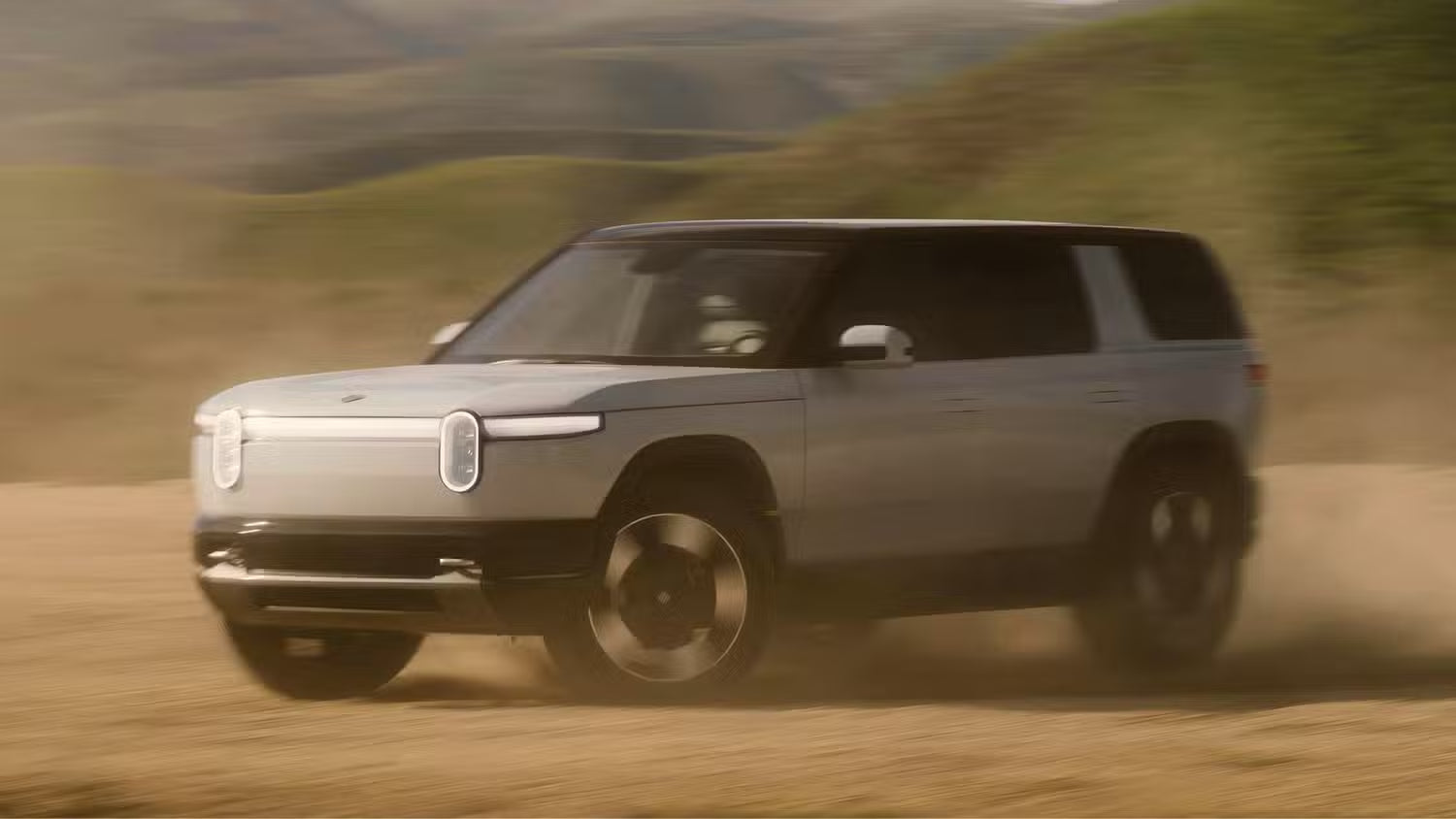
EV Launches Come With Challenges
Launching a new electric vehicle has proven difficult, even for established automakers like Volvo or EV-focused startups such as Fisker. Modern production hurdles—ranging from software glitches and battery constraints to supply chain disruptions—often delay deliveries or compromise quality. These obstacles underscore the complexity Rivian faces as it prepares to bring its R2 to market.

2026 Production Goals
Rivian has set a target of 20,000 to 25,000 R2 units shipped in 2026, aiming for a rapid market entry. According to an analysis by TechCrunch, achieving 20,000 units within six months would make this one of the fastest EV launches in U.S. history, second only to the Tesla Model Y. In comparison, other launches like the Chevy Blazer EV took over a year to reach the same milestone due to software delays and temporary sales halts.
A Key Opportunity for Rivian
The R2 represents Rivian’s best opportunity to scale production and reach profitability. The startup hopes this model could mirror the market impact of Tesla’s Model Y, tapping into strong demand for EVs that deliver reliable performance and value. While market conditions have evolved since the Model Y’s debut, the continued growth of U.S. EV adoption indicates substantial potential for well-executed launches.
Production Readiness
Rivian insists it is better prepared for the R2 rollout than it was for the R1S or R1T models. Improvements in manufacturing processes, quality control, and supply chain coordination are intended to reduce the risk of production setbacks. How efficiently the company executes this plan will be a critical factor in meeting its ambitious shipment goals.
Pricing and Market Reception
Beyond manufacturing, pricing remains a central question. Rivian benefits from a dedicated customer base anticipating the R2, but the final cost will influence adoption and market penetration. The company is expected to share more details on the R2 lineup, including pricing, on March 12, which will clarify how competitive the vehicle will be in its segment.

Looking Ahead
While the R2 launch is high stakes for Rivian, achieving a smooth rollout could establish the brand as a major EV contender. Success depends not only on production efficiency and pricing strategy but also on the broader market response to a compact EV designed to balance performance, affordability, and reliability.
Recommend Reading: Can Rivian Handle R2 Demand With Its Service Network?


Share:
Honda Revives Insight as Electric Model With 311-Mile Range
BYD Seal 07 Sets a New Benchmark for Fast-Charging EVs in China