



A Promising EV Pickup Facing Unexpected Resistance
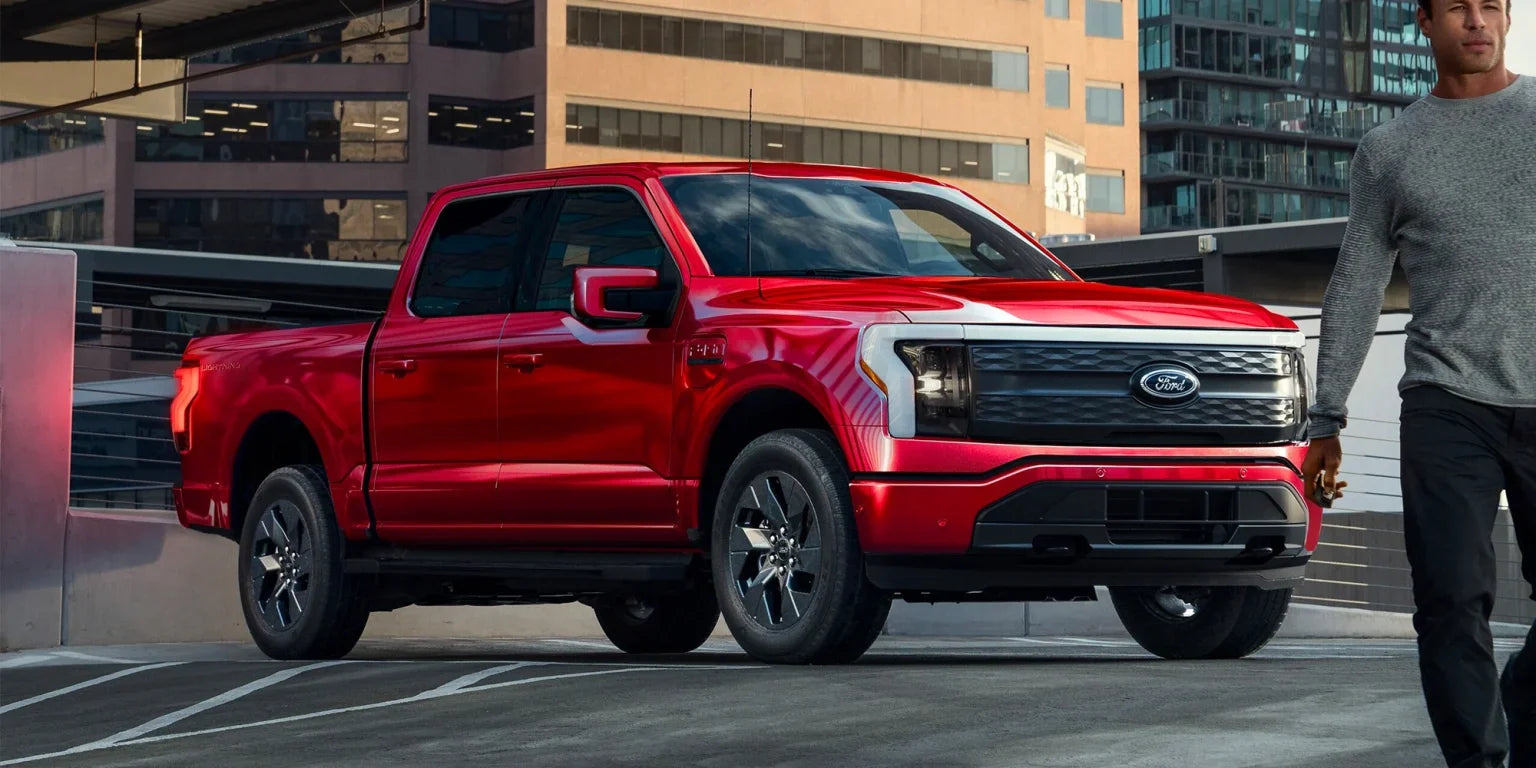
When Ford introduced the F-150 Lightning, it appeared poised to become the breakthrough model that would bring electric pickups into the mainstream. Public awareness remained high, reservation numbers surged early on, and Ford repeatedly emphasized the model’s role as a cornerstone of its electrification strategy. Yet recent production cuts, softening demand, and a temporary manufacturing halt caused by aluminum constraints show that interest alone isn’t enough to sustain real sales momentum.

The Disconnect Between Enthusiasm and Purchases
Industry analysts note that the Lightning’s sales performance is more complicated than simple demand weakness. Many shoppers express positive impressions during test drives and surveys, but Ford’s internal projections were far more ambitious than the market ultimately justified. Even as the best-selling EV pickup last year, the Lightning’s roughly 33,000-unit volume fell short of expectations—highlighting not just a Ford issue, but a broader challenge for battery-powered trucks.
Cost Remains the Primary Obstacle for Mainstream Buyers
Affordability is where the gap becomes clearest. According to J.D. Power data, most Lightning intenders earn less than $100,000 per household, yet real transaction prices run far above that income bracket. With typical configurations landing closer to $70,000 or more, the initial promise of a functional sub-$40,000 work truck has largely disappeared. This price shift is especially problematic in a segment where many buyers traditionally choose trucks for practicality and value, not luxury or new technology.
Why Dealerships Struggle to Push EV Trucks
Selling the Lightning at retail adds another layer of complexity. Walk into a Ford showroom and you will often find a Lightning displayed next to gas-powered F-150s that look nearly identical but cost tens of thousands less. Dealers—already wary of slower EV turnover and higher floorplan costs—frequently steer undecided customers toward internal-combustion models that are easier to explain, easier to finance, and more profitable. This dynamic further limits the Lightning’s growth potential.
A Broader Challenge for Electric Pickups
The Lightning’s stagnation reflects deeper structural issues within the EV truck market. Battery costs remain high, especially for vehicles expected to offer long range, tow capability, and hauling performance. At the same time, federal incentives are narrowing and state-level support is inconsistent. Consumers who might otherwise consider an EV truck face lingering concerns about charging access, winter performance, and towing efficiency—factors that disproportionately impact pickup owners compared to sedan or compact-SUV drivers.
Why Automakers Are Pivoting Toward Lower-Cost Platforms
These headwinds are pushing manufacturers to rethink their strategies. Ford is already developing a next-generation, mid-size electric truck expected to target a starting price near $30,000, focusing on simplified engineering and reduced battery size. This approach aligns with a broader industry movement toward cost-optimized EV architectures designed to appeal to budget-sensitive segments. Some analysts argue that success in the EV truck category will depend less on high capability and more on delivering affordable, efficient options that fit everyday needs.
A Turning Point for First-Generation EV Trucks
As the market recalibrates, the Lightning sits at a crossroads. Ford must decide whether to reposition the model as a premium technology showcase or streamline the package to broaden its appeal. At the same time, easing emissions requirements and shrinking subsidies reduce external pressure on consumers to shift to electric. The path forward will depend heavily on how quickly automakers can drive down battery and manufacturing costs.

Looking Ahead
The F-150 Lightning remains an important product with strong brand visibility, but its mixed sales performance reveals a decisive truth: electric trucks must win on value, not just innovation. Whether Ford and other manufacturers can close that gap will determine the future of the segment.
Recommend Reading: Ford May End F-150 Lightning Production as EV Sales Slow


Share:
Rivian and Volkswagen Plan to Share EV Software With Other Carmakers
Tesla’s Shift Toward Apple CarPlay Marks a Major Infotainment Strategy Change