





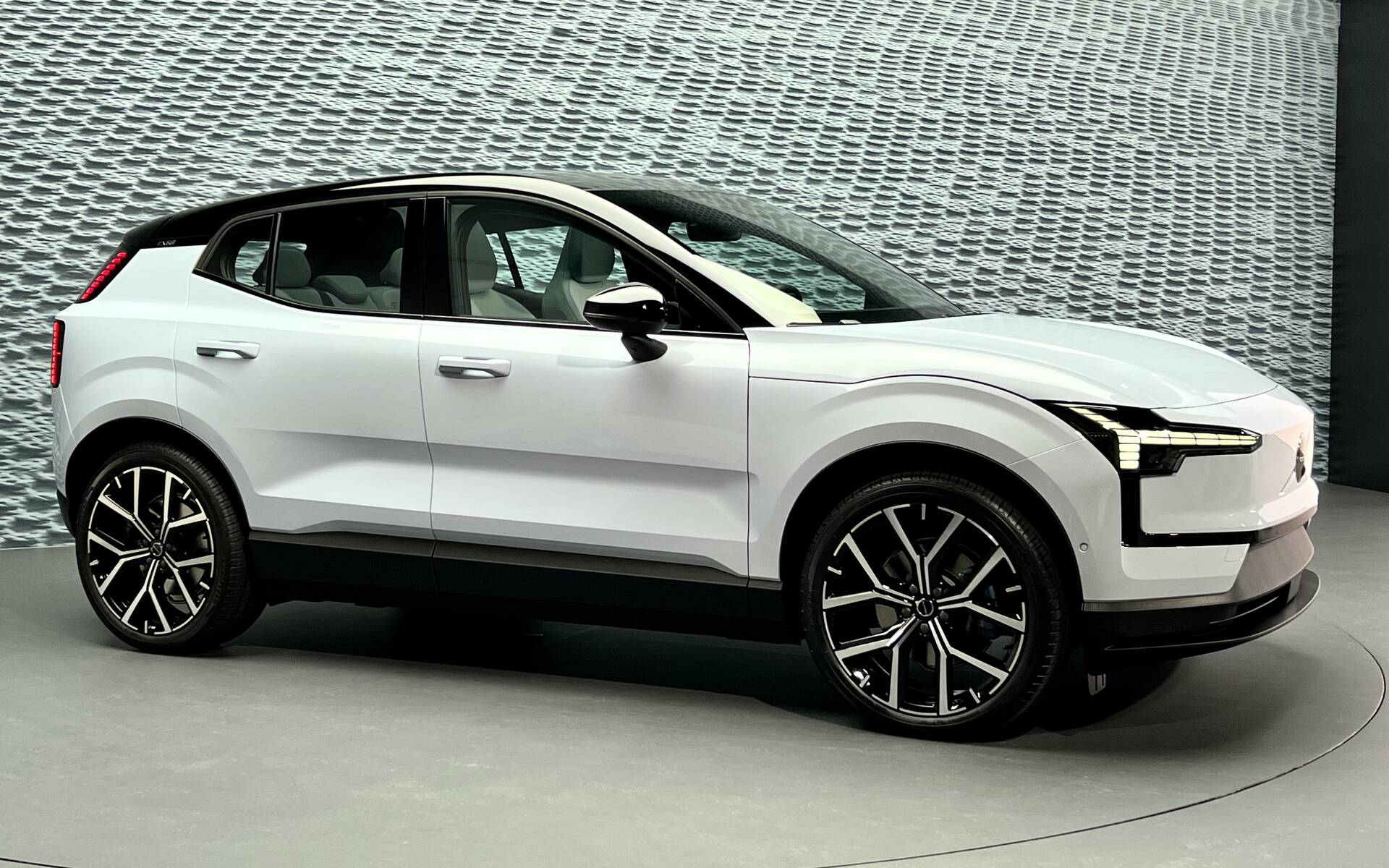
Volvo Confirms the EX30 Will Exit the American Market
The compact electric crossover Volvo EX30 will soon disappear from the United States lineup. A representative from Volvo confirmed that the model will no longer be sold in the country after the 2026 model year.
The decision marks another setback for an EV that was once promoted as an affordable entry point into Volvo’s electric portfolio. When the EX30 was first introduced, the company positioned it as a smaller, lower-cost alternative aimed at expanding EV adoption among American buyers.
However, a series of challenges—from pricing complications to technical complaints—ultimately prevented the vehicle from establishing a strong foothold in the U.S. market.

A Model That Struggled From the Beginning
At launch, the EX30 was expected to attract customers with a relatively accessible starting price. Early announcements suggested an entry-level version could begin at roughly $35,000, a figure that would have placed it among the more affordable electric SUVs available in North America.
That plan quickly encountered obstacles.
Because the EX30 was originally manufactured in China, it became subject to the 100% tariff on Chinese-built electric vehicles introduced during the administration of Joe Biden. The policy dramatically altered the economics of importing the vehicle to the United States.
To avoid those tariffs, Volvo moved production for American-bound vehicles to Europe. While the change allowed the company to continue selling the model in the region, it also introduced delays and cost increases.
By the time vehicles reached dealerships, pricing had climbed significantly. Some test vehicles approached $50,000, far above the originally promoted figure.
Customer Feedback Raised Additional Concerns
Pricing alone was not the only issue affecting the EX30’s reception.
Owners and automotive reviewers reported several concerns related to the vehicle’s software and digital systems. Some drivers described glitches or inconsistent behavior within the infotainment interface and vehicle controls.
Long-term testing from automotive publications also highlighted these problems. In one extended evaluation by Edmunds, reviewers described the vehicle’s technology experience as particularly frustrating.
These issues contributed to a perception that the EX30’s interior technology required further refinement.
The model also faced a battery-related recall, adding another complication for the vehicle during its brief time on the market.
Taken together—higher-than-expected pricing, technical complaints, and safety actions—the challenges made it difficult for the EX30 to compete effectively with other electric crossovers.
EV Cancellations Are Increasing Across the Industry
Volvo’s decision does not exist in isolation. Several automakers have recently scaled back or eliminated electric models intended for the U.S. market.
For example, Ford previously halted production of the Ford F-150 Lightning for a period, while Hyundai has reduced availability of the Hyundai Ioniq 6 in certain markets.
Meanwhile, Honda reportedly canceled several upcoming electric models before they reached production.
These moves reflect a broader shift in the EV landscape in the United States. Automakers are increasingly reassessing which electric models are viable under current market conditions.
Policy Changes Are Altering the EV Market
Industry observers note that regulatory changes have played a major role in recent product decisions.
In earlier years, strict emissions standards and incentive programs strongly encouraged automakers to accelerate EV development. Those policies effectively pushed companies to expand their electric lineups quickly.
More recently, regulatory momentum has slowed. With fewer mandates and incentives in place, manufacturers now have greater flexibility in deciding which vehicles remain in production.
As a result, companies are reevaluating models that may no longer align with their financial or strategic priorities.
For vehicles like the EX30—already facing pricing and technical hurdles—this environment can make continued sales difficult to justify.
Volvo’s EV Strategy Is Still Moving Forward
Although the EX30 will leave the U.S. market, Volvo has not abandoned its broader electrification plans.
The company confirmed that other electric models will continue to play a central role in its future lineup. Among the upcoming vehicles are the Volvo EX90 and the Volvo EX60.
The EX60, in particular, is expected to be a key model for the brand. Early projections suggest a driving range of around 400 miles, along with a size and price position aimed at a broad segment of buyers.
By focusing on models with stronger market potential, Volvo appears to be narrowing its EV strategy rather than abandoning it.

The Short Life of the EX30 in America
The EX30’s exit from the U.S. illustrates how quickly conditions can change in the electric vehicle market.
A model that initially seemed positioned to become an affordable gateway into electric driving encountered several obstacles—trade policies, pricing challenges, technical complaints, and changing regulatory priorities.
Ultimately, those factors limited its ability to succeed in one of the world’s most competitive automotive markets.
While the EX30 will continue to exist in other regions, its brief presence in the United States highlights the complex balance between policy, pricing, and product development that shapes the future of electric mobility.
Recommend Reading: Volvo Initiates Recall for Over 40,000 EX30 EVs Due to Battery Fire Risk


Share:
Why the New Chevy Bolt Charges Faster Than Other GM EVs
BMW iX3 Gets 50,000 Orders in Europe Before Test Drives Begin