





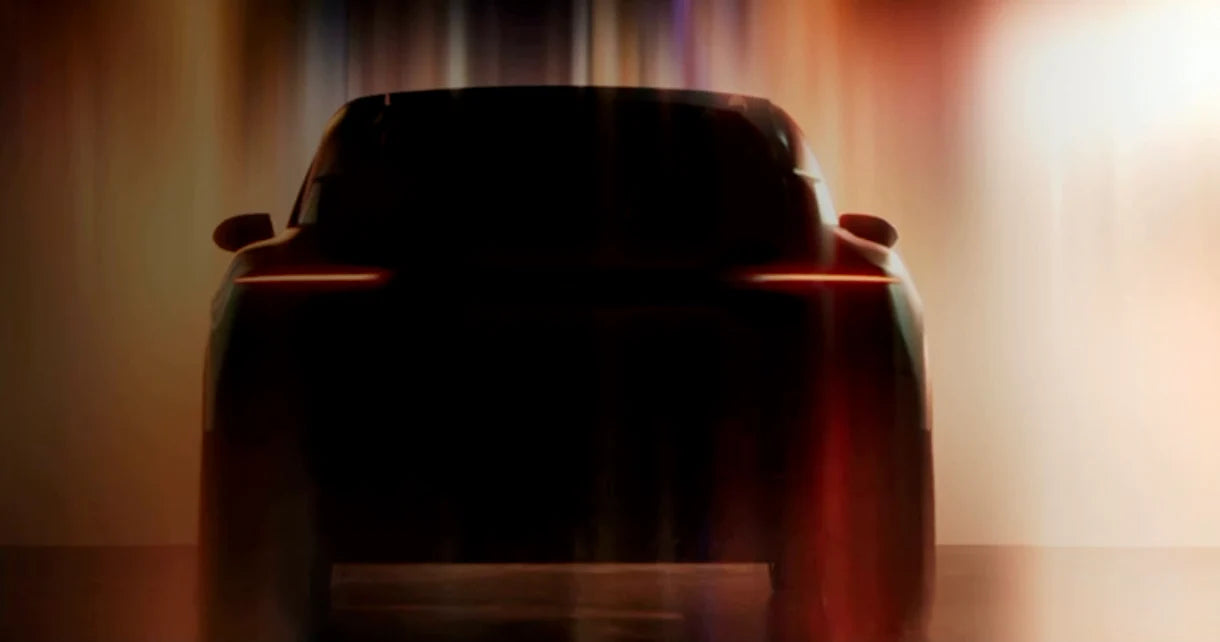
Growing Competition in the Mid-Size EV Market
Electric SUVs in the mid-price range are becoming a key battleground as newer entrants aim to challenge established models like the Tesla Model Y. Two California-based automakers—Lucid Motors and Rivian—are preparing fresh contenders to capture this demand.
Rivian’s Rivian R2 is scheduled to reach customers sooner, while Lucid’s upcoming Lucid Cosmos remains under development, with production expected to begin later. Although both vehicles are designed for similar buyers, available data suggests they prioritize different strengths.

Limited Details, But Clear Technical Direction
Public information on the Cosmos remains incomplete, particularly regarding its final design. However, Lucid has disclosed substantial engineering details about the platform supporting the vehicle, indicating a strong focus on performance metrics rather than styling at this stage.
In contrast, Rivian has already released extensive specifications and pricing for the R2, giving it a transparency advantage. This difference makes a full side-by-side comparison difficult for now, but certain technical aspects can still be evaluated.
Charging Performance Differences
One of the clearest distinctions lies in charging capability. Lucid plans to equip the Cosmos with an 800-volt electrical system, enabling rapid energy replenishment. According to company projections, the vehicle could recover around 200 miles of driving range in approximately 14 minutes under optimal conditions.
Rivian takes a different route with the R2, using a 450-volt architecture. While this setup still supports competitive charging, it is tuned more toward cost efficiency and energy storage optimization. The company estimates a 10% to 80% charge in about 29 minutes, with roughly 150 miles added in 15 minutes.
When measured by range gained per minute at a charger, Lucid’s approach appears to offer a noticeable advantage, especially for long-distance travel scenarios.
Efficiency as a Strategic Focus
Lucid is also placing heavy emphasis on reducing energy consumption. The Cosmos is expected to achieve a drag coefficient of approximately 0.22, reflecting a design optimized for airflow and reduced resistance.
Beyond aerodynamics, the company has introduced a new drive unit that is lighter, more compact, and built with fewer components compared to previous systems. This contributes to improved overall efficiency and potentially lower manufacturing complexity.
As a result, Lucid projects an efficiency figure of up to 4.5 miles per kWh, which would place it at the higher end of the current EV market. For context, many existing electric vehicles typically fall between 2.5 and 4.0 miles per kWh, depending on conditions.
Battery Size and Real-World Impact
Higher efficiency has direct implications for battery requirements. Lucid estimates that a pack of roughly 69 kWh could deliver about 300 miles of range, assuming its efficiency targets are achieved.
Rivian’s R2, by comparison, is expected to deliver around 345 miles of range using a significantly larger 87.9 kWh usable battery. On paper, this suggests a lower efficiency figure relative to the Cosmos.
For consumers, this difference may translate into shorter charging times and potentially lower energy costs over time, as smaller batteries require less electricity to recharge.
Design Philosophy and Market Appeal
While Lucid emphasizes efficiency and high-speed charging, Rivian continues to lean into its brand identity. The R2 features a more traditional SUV shape and is designed with versatility and off-road capability in mind.
This contrast highlights two distinct approaches: one prioritizing technical optimization and energy management, the other focusing on practical utility and lifestyle appeal. Both strategies address different user preferences within the same price segment.
Production Timeline and Market Readiness
Another important factor is timing. The R2 is closer to market launch, and early impressions suggest a well-developed product. The Cosmos, meanwhile, is still months away from production, leaving some uncertainty around final specifications and real-world performance.
Until both vehicles are available for testing, conclusions remain provisional. However, current information indicates that Lucid may lead in charging speed and efficiency, while Rivian benefits from earlier availability and clearer positioning.

Outlook for Buyers
For consumers, increased competition in this segment is likely to bring meaningful benefits. More choices at similar price points encourage innovation and put pressure on manufacturers to deliver better performance and value.
Whether buyers prioritize faster charging and efficiency or rugged design and versatility will ultimately shape how these two models are received in the market.
Recommend Reading: Lucid Motors Sees 2026 Growth Hinged on Upcoming $50K Crossover









Share:
BMW iX3 Gets 50,000 Orders in Europe Before Test Drives Begin
How Rising Oil Prices Impact Gas Cars vs EVs in Europe