



A Year of Transformation for EVs
After a turbulent 2025 marked by numerous cancellations and delays, 2026 is shaping up to be a landmark year for electric vehicles. Nearly 30 new EV models are expected to hit U.S. roads, representing the first wave of next-generation vehicles that combine software-driven interfaces with all-new architectures.
Legacy automakers are moving beyond retrofitted gas platforms, offering software-defined EVs, while startups like Lucid, Rivian, and Slate aim to deliver mass-market models with bold designs and innovative technology.
With so many new options, it can be overwhelming to track every release. Here are the seven EVs that stand out as particularly exciting and potentially market-changing.
2026 Rivian R2
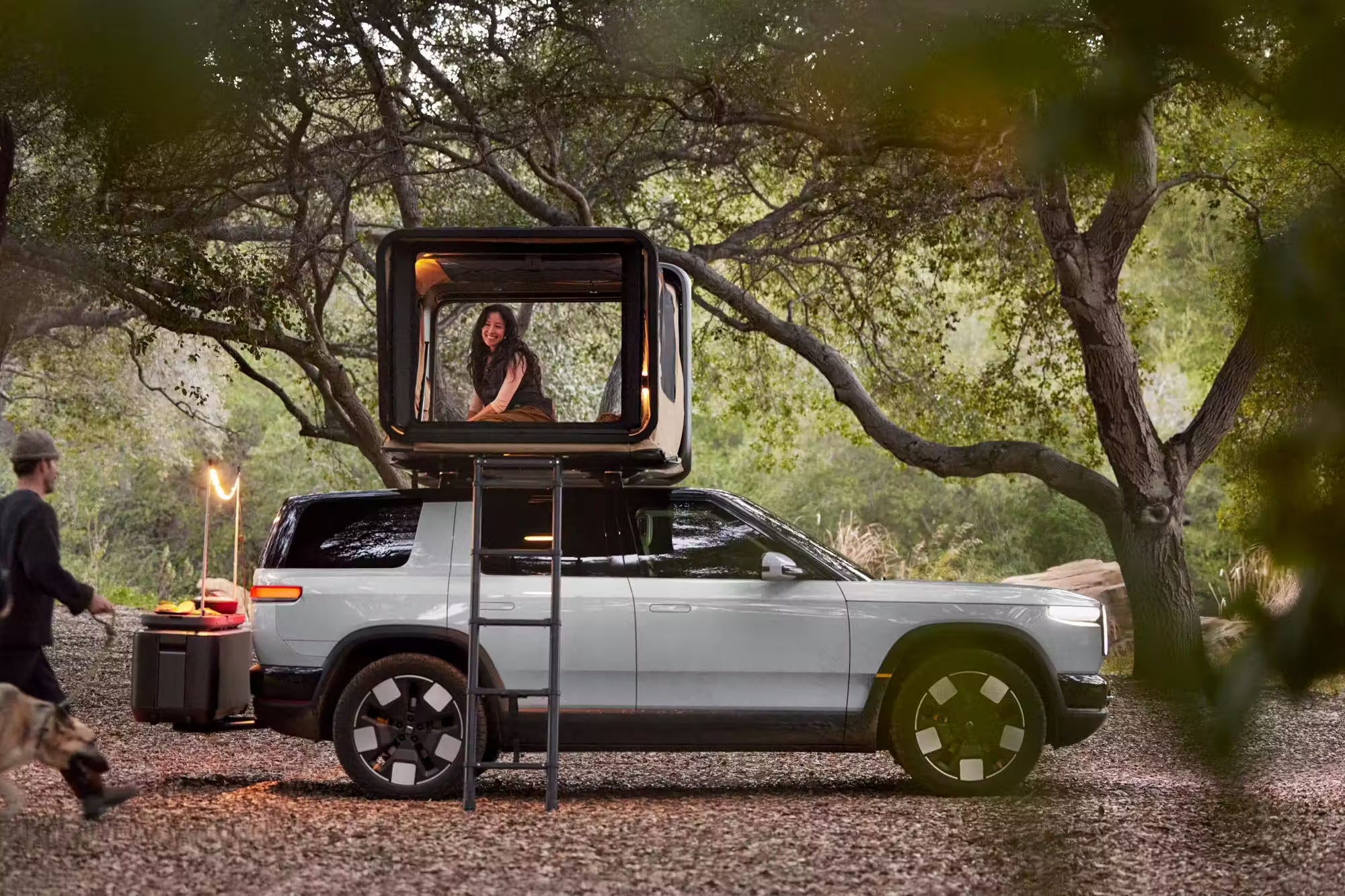
The Rivian R2 is a crucial model not just for the company, but for the U.S. EV market as a whole. Following the success of the R1T and R1S, Rivian is targeting a $45,000 starting price for the R2, with rear-wheel drive initially available.
The R2 will feature software-forward interfaces, a lidar sensor for eventual autonomy, and signature Rivian styling. It aims to bring off-road capability and adventure-ready features to a broader audience, including buyers who found the R1 models out of reach.
The challenge for Rivian will be a smooth launch, scaling service networks, and delivering all-wheel-drive versions at competitive prices.

2026/2027 Honda 0 Series
Honda’s 0 Series includes three vehicles: a saloon, an SUV, and the Acura RSX. Built on a software-defined architecture with Honda’s ASIMO AI assistant, these models represent Honda’s first serious long-range EV push in the U.S.
The RSX offers all-wheel-drive and advanced suspension, but pricing and final specs remain unannounced. Honda’s approach is cautious, focusing on gradual market entry and quality control, making these models a test of the company’s EV strategy.
2026 Slate Truck
The Slate Truck is designed to tackle affordability and simplicity in the EV pickup segment. With a mid-$20,000 starting price, the vehicle omits nonessential features like radios and power windows, emphasizing modularity and customization.
While a stripped-down approach may attract practical buyers, optional add-ons such as an SUV kit or rear seats can raise the cost to $30,000 or more, putting it in competition with more fully equipped pickups like the Ford Maverick. Slate’s success will hinge on whether consumers embrace utility over luxury.

2026/2027 Kia EV3
Kia’s EV3 aims to deliver affordable, high-range EV technology. With over 300 miles of range, a sleek design, and a target price around $35,000, the EV3 has received positive reviews overseas and is poised to challenge vehicles like the Nissan Leaf.
The EV3 shows that high-quality, budget-friendly EVs are finally becoming attainable for mainstream consumers.
2026 BMW iX3
The iX3 targets the luxury crossover segment with a starting price of $55,000, comparable to the gas-powered X3. Built on BMW’s Neue Klasse architecture, it features 400-kW fast charging, software-defined systems, and AI assistance.
Over-the-air updates will allow full-vehicle improvements, keeping the iX3 technologically competitive. Early drives suggest refined handling, strong power delivery, and quiet interiors, making it appealing to traditional luxury buyers transitioning to EVs.

2027 Chevrolet Bolt
GM’s revived Bolt combines affordability with improved technology. Starting below $29,000, it now uses lithium-iron-phosphate batteries, reducing degradation while supporting fast charging (10-80% in 26 minutes).
While range remains around 255 miles, the Bolt’s new hardware and software bring modern performance, reliability, and competitive pricing to America’s most popular small EV segment.

2026/2027 Lucid Midsize SUV
Lucid’s new mid-size SUV aims to bring the performance and efficiency of the Lucid Air and Gravity to a more accessible segment. Leveraging four years of production experience and strong backing from the Saudi Public Investment Fund, Lucid targets a mainstream hit with advanced driving dynamics and cutting-edge technology.
Success will hinge on competing against models like the Tesla Model Y and Rivian R2 while maintaining high-quality software and design execution.

Honorable Mentions
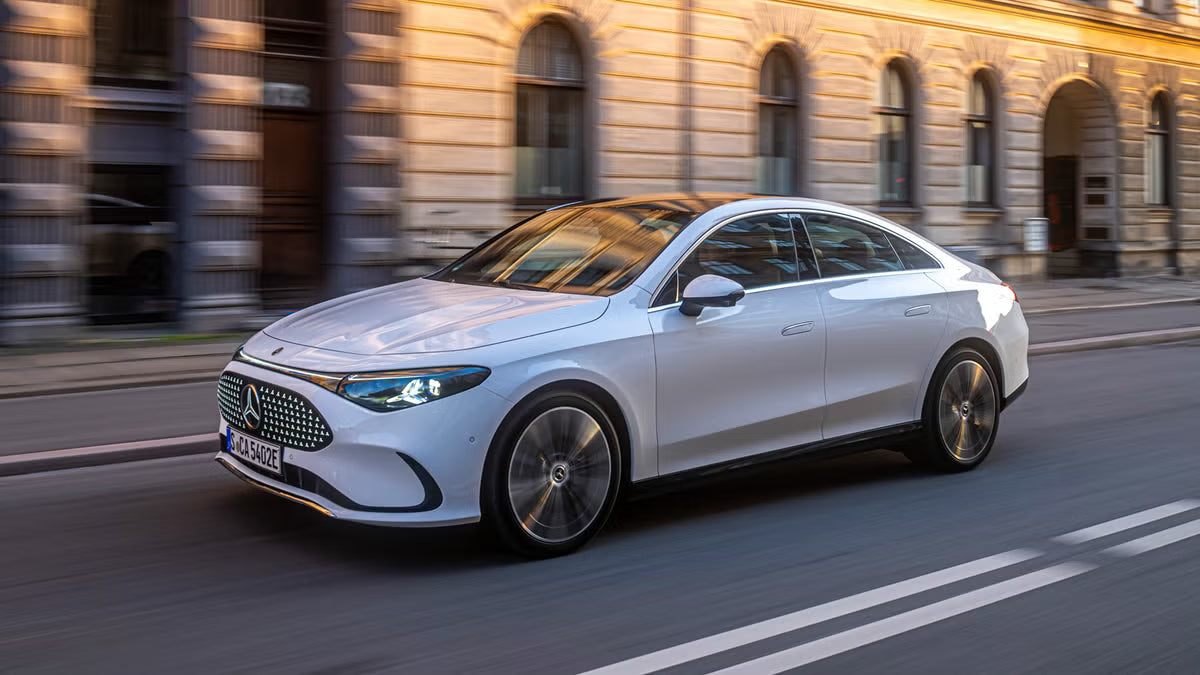
Other exciting EVs include the Mercedes CLA-Class and GLC, the Mercedes-AMG GT XX EV, Ferrari Elettrica, Polestar 5, Hyundai Ioniq 6 N, and Genesis GV60 Magma.
Emerging technologies, like wireless EV charging and expanded NACS port compatibility, will continue to enhance convenience, while minor updates from Subaru, Toyota, Jeep, and Volvo demonstrate steady progress in usability and software features.
The EV market is improving faster than gas cars ever did, with more affordable, capable, and high-tech options entering the market each year. 2026 promises to be a year where EVs solidify their place in the mainstream, combining price, performance, and innovation.
Recommend Reading: 2026 Cadillac Optiq: Compact Luxury EV with Strong Value
Partager:
Why Some Electric Vehicle Models Are Being Canceled Now
Volvo Revamps EX30 With Single-Motor and Cross Country Versions