



The Shift Toward a New EV Era
After years of accelerating progress, 2026 is shaping up as the turning point for the global EV market. While China currently leads in affordability, performance, and charging innovation, Western automakers are no longer trailing far behind. A new wave of vehicles—often referred to as third-generation or “Gen 3” EVs—will soon hit showrooms with stronger efficiency, higher-voltage platforms, and more advanced software than ever before.
These new models reflect a decade of lessons learned and signal that the real global EV competition will intensify starting in 2026.
How EV Technology Evolved
Modern EV development has occurred in three broad phases. Early “Gen 1” cars between 2010 and 2018—such as the BMW i3, Nissan Leaf, and Ford Focus Electric—were limited by small batteries, slow charging, and compliance-driven designs. They helped prove the concept but were far from mass-market replacements.
“Gen 2” EVs brought larger batteries, improved charging performance, and better practicality. However, software problems, inefficient platforms, and legacy engineering constraints continued to hold these models back. This period also marked Tesla’s significant dominance, largely due to Supercharger access and superior vehicle software.
Now, the industry is moving into its third stage. Gen 3 EVs combine advanced 800-volt architectures, efficient new battery chemistries, upgraded power electronics, and software-defined systems that continue improving long after purchase. This is where Western automakers believe they can finally stand toe-to-toe with China’s leading brands.

What Defines a Gen 3 EV
A Gen 3 EV follows a clear formula:
High-Voltage Platforms
Most Gen 3 EVs use 800-volt or higher systems, allowing faster charging, improved thermal management, thinner wiring, and higher efficiency. While these architectures are more expensive to produce, they dramatically enhance EV performance and future-proof the platform.
Software-Defined Vehicle (SDV) Architecture
Gen 3 EVs are built around centralized computing systems, treating software as the core function of the vehicle. This enables:
-
Frequent over-the-air updates
-
Rapid feature deployment
-
More advanced driver-assist features
-
Adaptive performance tuning
The SDV approach is essential if automakers want their vehicles to remain competitive over multi-year ownership cycles.
Why China Leads Today
China’s rise in the EV industry is not accidental. Companies such as BYD, Geely, SAIC, and Chery benefitted from heavy government support, accelerated R&D cycles, and rapidly expanding domestic demand. Many Chinese EVs offer:
-
Exceptional charging performance, with some exceeding 1 MW
-
Highly efficient motors and battery systems
-
Competitive pricing, even after tariffs in Europe
-
Strong software capabilities
This head start enabled Chinese automakers to dominate segments where Western manufacturers struggled to compete. However, with Europe and the U.S. now introducing Gen 3 platforms, the field is beginning to level.

Western Automakers Prepare Their Response
BMW’s Neue Klasse Leads the Charge
The BMW iX3, launched as part of the Neue Klasse family in 2025, is one of the first true Western Gen 3 EVs. It features:
-
An 800-volt architecture
-
A highly efficient powertrain
-
A futuristic wraparound display beneath the windshield edge
-
New battery chemistries and dense motor designs
BMW’s upcoming i3 sedan will extend these advantages, providing a European rival to Chinese models such as the BYD Seal and Zeekr 007.

Mercedes Expands Its Gen 3 Lineup
Mercedes-Benz is preparing an extensive Gen 3 portfolio, including the GLC EV, C-Class EV, and the smaller CLA EV. All feature:
-
800-volt platforms
-
Improved efficiency
-
Advanced infotainment based on Google systems
-
Configurable AI assistants
-
Fast-charging up to 320 kW
Even the GLB with EQ Technology, a taller and roomier option, retains impressive efficiency compared to older EVs.

Polestar, Volvo, and Porsche Strengthen the Premium Segment
Polestar will launch a major upgrade for the Polestar 3 in 2026, converting it to an 800-volt system with 350 kW charging and a redesigned central computing architecture. Volvo’s EX90 shares much of this engineering, offering a more traditional SUV alternative.
Meanwhile, Porsche has long been ahead of the curve. The upcoming Cayenne Electric features:
-
400 kW charging
-
A structural battery pack
-
Optional wireless charging
Hyundai and Kia also continue to set benchmarks with their E-GMP 800-volt models, though some recent models have shifted back to 400 volts for cost efficiency.

The Next Wave: Lucid, Honda, Rivian, and More
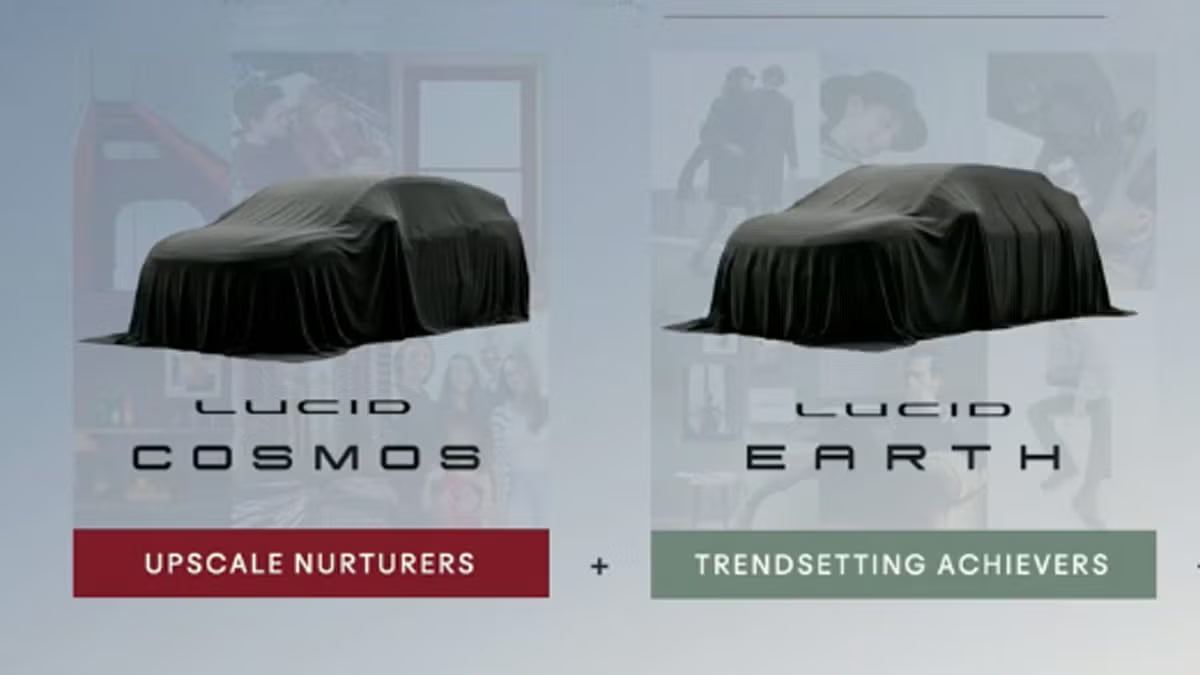
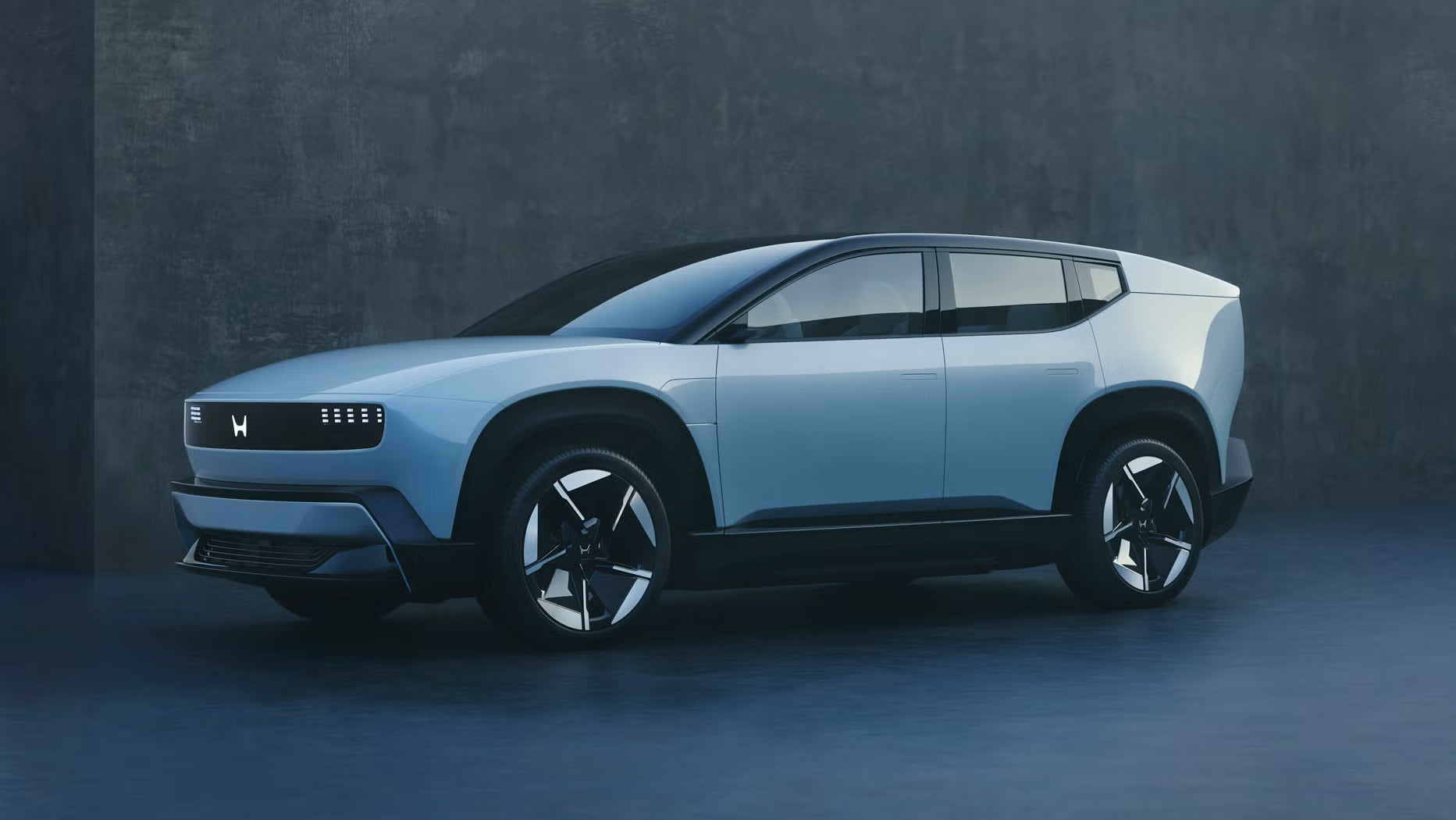
Lucid remains a leader in high-voltage EV technology, operating closer to 900 volts and delivering exceptional charging speeds and range. Honda is entering the Gen 3 era with its unconventional 0 Series and Acura RSX EV.
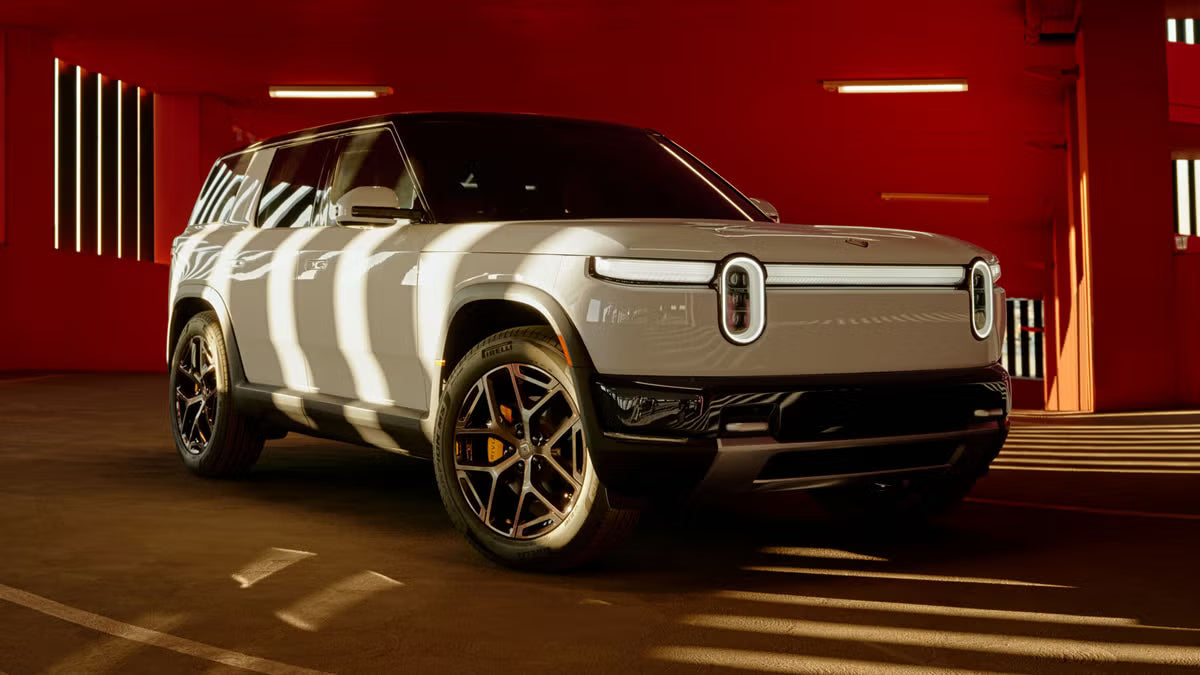
Rivian, Ford, and Scout are also preparing next-generation models, although not all will adopt 800-volt systems. Rivian’s R2 and R3 are expected to remain at 400 volts to maintain affordability.
By 2027, Volkswagen’s collaboration with Rivian will further expand the Western Gen 3 ecosystem.

The Competitive Landscape in 2026
Despite major progress, Western automakers still face a significant challenge. Chinese EVs often remain cheaper, even after tariffs, and Tesla’s 400-volt platforms continue to deliver strong value.
However, 2026 will be the first time Western EVs can rival China’s best in:
-
Charging performance
-
Efficiency
-
Software capability
-
Long-term upgradability
BYD’s upcoming factory in Hungary may intensify competition by reducing costs and avoiding import duties. European buyers have already shown a willingness to choose Chinese models when they offer superior value, pushing Western brands to prove they can compete at every level.
The next phase of the EV battle will determine whether Western automakers can reclaim leadership—or whether China will expand its dominance.
Recommend Reading: Subaru Unveils the 2026 Uncharted as a New Affordable Long-Range EV Option
Share:
Rivian Sees Fully Driverless Capability Before 2030, CEO Says
Renault 4 E-Tech Revives a Classic as a Practical Urban EV for 2025