



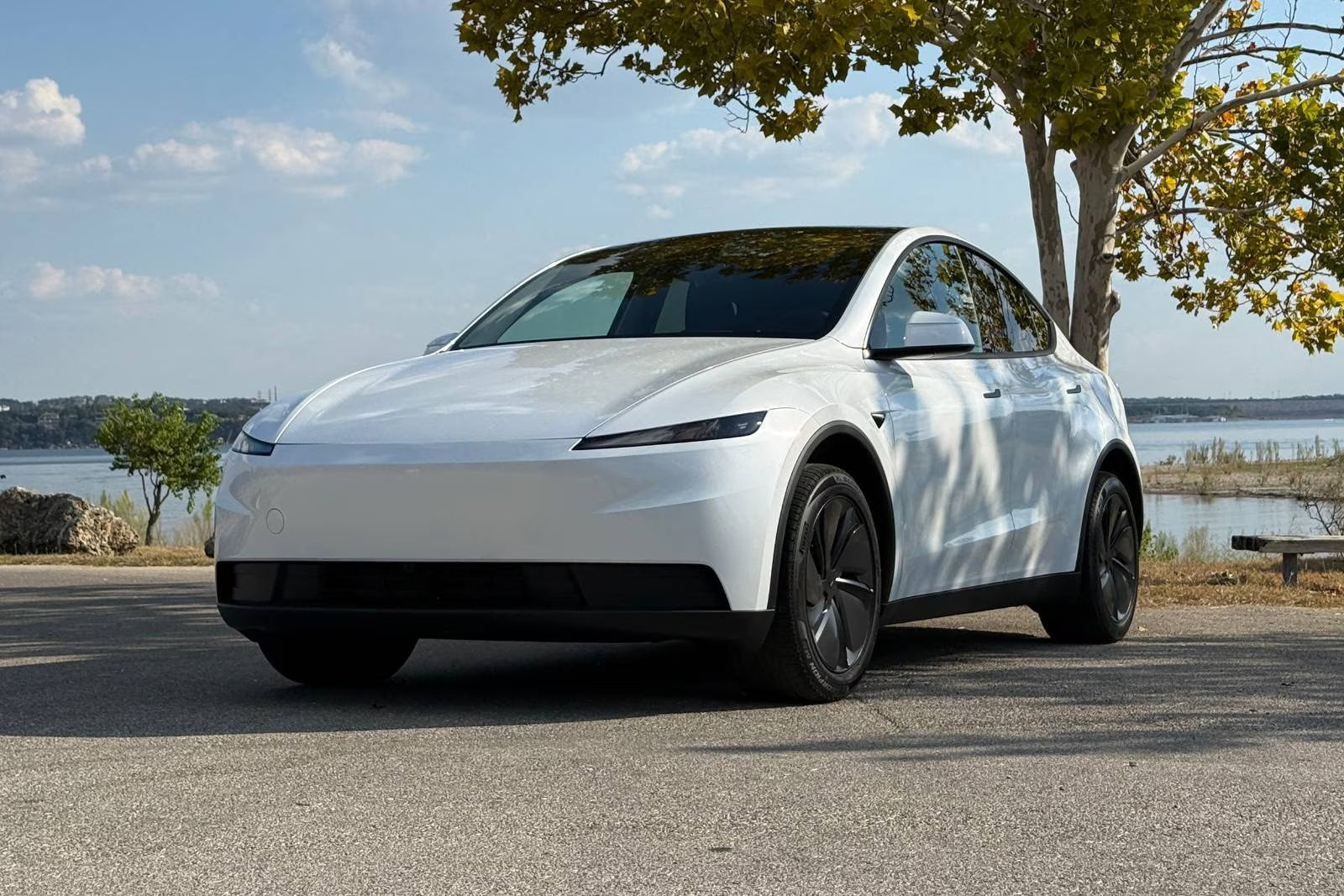
Tesla’s Current Focus and Missed Opportunities
Tesla CEO Elon Musk has long signaled that the future of transportation doesn’t need conventional cars. Yet this vision comes at a cost. While the company pursues autonomous vehicles, robotaxis, and advanced AI, its core lineup—what made Tesla successful—has received relatively little attention.
The 2026 Model Y update shows the promise Tesla still holds in EV innovation. It combines advanced driver-assistance features, spacious interiors, and strong performance. However, Tesla’s product strategy suggests the company is content to rely on a few bestselling models rather than expanding its lineup to meet diverse consumer needs.
Tesla has demonstrated excellence in EV design, but its focus has shifted away from producing a broader range of practical vehicles. This limits opportunities for customers who want more options beyond the Model 3 and Model Y.

What Makes the 2026 Model Y Stand Out
The updated Model Y illustrates why Tesla remains a market leader. Its software-driven interface is among the most advanced on the road, integrating navigation, entertainment, and climate control seamlessly. Features like Dog Mode, Camp Mode, and Sentry Mode highlight Tesla’s commitment to utility and convenience.
Everyday usability also shines: Supercharging, route planning, and voice commands are all intuitive. Even the partially supervised Full Self-Driving system performs exceptionally well on highways and city streets, setting a benchmark for driver-assistance technology.
Tesla interiors, often criticized for minimalism, feel open, airy, and refined. The 2026 Model Y benefits from upgraded materials, improved build quality, and ambient lighting, creating a more premium experience without overcomplicating the design.
Sales speak for themselves: Over 1 million Model Ys sold last year, making it one of the top-selling EVs globally. Despite nearly 60 EV models available in the U.S., roughly 25% of buyers still choose a Model Y, and another 15% opt for the Model 3.
The Case for More Models
Tesla’s current reliance on a narrow lineup presents a missed opportunity. Consumers are asking for more diversity: midsize pickups to rival the Ford Maverick or Toyota Tacoma, off-roaders to compete with Rivian or the Ford Bronco, and refreshed versions of the Model S and Model X.
Expanding the lineup would allow Tesla to experiment with new technologies and vehicle types, rather than relying solely on incremental updates to existing models. Affordable models could bring EV adoption to a broader audience, leveraging Tesla’s position as one of the only consistently profitable EV makers.
The delayed $25,000 Tesla project is a prime example of untapped potential. Instead of launching a compact, mass-market EV, Tesla redirected resources toward the Cybercab, a robotaxi concept with no steering wheel—appealing more to Musk’s futuristic vision than to everyday drivers.

The Importance of Market Timing
The Tesla Cybertruck is the only recent major launch outside the standard lineup. While technologically innovative, it has struggled commercially. Other upcoming projects, like the Roadster supercar, remain expensive and years away. The Cybercab’s production is planned for 2026, but the lack of conventional, mass-market offerings leaves space for competitors to gain market share.
Rival companies are not standing still. Rivian’s R2, Lucid’s midsize crossover, and the Slate small pickup are all expected to challenge Tesla in price and practicality. BMW, Mercedes, Chevy, and Nissan are also launching new EVs with competitive range, charging speed, and affordability. Tesla risks ceding leadership in segments it previously dominated.

Why Tesla Should Reinvest in Cars
The 2026 Model Y proves Tesla’s engineering and software prowess. The company can still make vehicles that impress and delight, but it must refocus on producing a wider variety of practical EVs. Affordable, capable, and innovative cars could solidify Tesla’s long-term market dominance and expand EV adoption globally.
By diversifying its lineup, Tesla could bring its “software magic” to more vehicle types and price points, creating products that excite both loyal fans and new buyers. This is especially important as competition intensifies and consumers have increasing alternatives.
Tesla’s current strategy favors moonshots and high-profile projects, but everyday consumers drive sales and adoption. Returning attention to vehicle design and variety—without compromising technological ambition—could secure Tesla’s place as a leader in the EV market for years to come.

Conclusion
The 2026 Model Y is a testament to Tesla’s capability to innovate and delight customers. Yet relying on just a handful of models is a strategic risk. Tesla needs more models, more price points, and more real-world options to maintain its market lead.
The EV revolution isn’t slowing, but consumers want variety, utility, and affordability alongside advanced technology. By refocusing on its cars, Tesla can continue to define the future of electric vehicles—not just autonomous fantasies.
Recommend Reading: Tesla Delivers Fewer Vehicles Again as 2025 Sales Slide
Aktie:
2025 Ford Mustang Mach-E Review: Is It Still a Contender in 2026?
BYD Overtakes Tesla in Global EV Sales, Marking a Turning Point for the Industry