



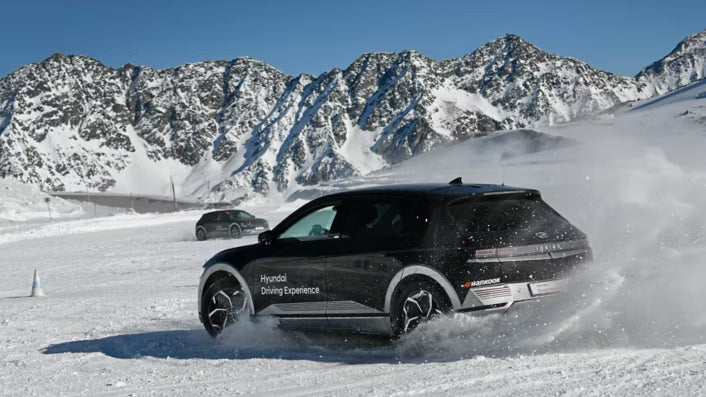
Winter Driving Still Impacts EV Range
Cold temperatures continue to challenge electric vehicles, reducing efficiency and shrinking real-world driving range. While winter performance has improved over the years, range loss in freezing conditions remains a genuine concern for EV owners. However, recent data suggests that technology advances—and choosing the right features—can significantly lessen the impact.

New Data Shows Average Winter Range Drops
Battery health firm Recurrent analyzed 34 newer electric vehicles and found that, on average, they deliver 78% of their normal range in freezing temperatures. For an EV normally rated at 300 miles, this translates to roughly 234 miles in cold weather.
Recurrent noted the issue isn’t unique to EVs.
“All cars lose efficiency in the cold,” the report states. Fuel consumption increases for gas and hybrid vehicles as well because cold air and cabin heating reduce overall efficiency.
The study also shows wide variation between models.
The best-performing EV retains 88% of its range at 32°F, while the least efficient drops to 69%, influenced by battery chemistry, temperature, speed, and energy use for heating.
Why Heat Pumps Make a Big Difference
For EV shoppers looking to minimize winter range loss, a heat pump is now one of the most important features to look for.
A heat pump works by transferring heat from outside air—yes, even cold air—into the cabin. This process uses far less energy than a traditional resistive heater. The system can also operate in reverse, removing heat from the cabin for cooling.
Heating and cooling are among the largest energy draws in an EV. A heat pump reduces the load on the climate system, meaning more battery capacity is reserved for driving. Some EVs may even show slightly improved range estimates when the heater is turned off, illustrating how much energy climate control can consume.
As automakers have recognized the benefits, heat pumps have become far more common on modern EVs, though many earlier models still lack them.
Which EVs Come Equipped With Heat Pumps
While buyers should always confirm equipment directly with the manufacturer, Recurrent highlights numerous EVs that now include heat pumps, either as standard or optional:
-
2024+ Acura ZDX
-
2025+ Audi E-Tron models
-
2023+ Cadillac Lyriq
-
2024+ Lucid models
-
Polestar 2 (with Plus or Climate Pack), Polestar 3, Polestar 4
-
2021+ Tesla Model 3, Model Y, Model S, Model X
-
2024+ Tesla Cybertruck
-
Volvo EX30, EX90, EX40 Recharge, C40 Recharge
Heat pump availability can vary by trim, model year, or supply constraints. For example, Audi temporarily removed heat pumps from the Q4 E-Tron due to parts shortages.
What This Means for EV Buyers and Owners
For anyone considering an EV—especially in colder climates—heat pump availability should be near the top of the checklist. The system can meaningfully improve winter range, reduce energy consumption, and make cold-weather driving more predictable.
Buyers of used EVs should be particularly cautious, as older models were less likely to include heat pumps and may experience more pronounced range loss in freezing temperatures.

Looking Ahead: Reduced Winter Losses Over Time
Advances in battery chemistry, thermal management, and charging infrastructure will likely reduce winter range concerns in the coming years. For now, however, the most practical step drivers can take is simple: choose an EV with a heat pump so more of the battery’s energy goes toward driving—not heating the cabin.
Recommend Reading: Winter EV Travel: Cold Weather Charging Tips
Aktie:
Tesla Adds Detailed Supercharger Maps to Improve Charging Navigation
Uber Turns to Lucid Gravity for Its Next Wave of Autonomous Ride Services