





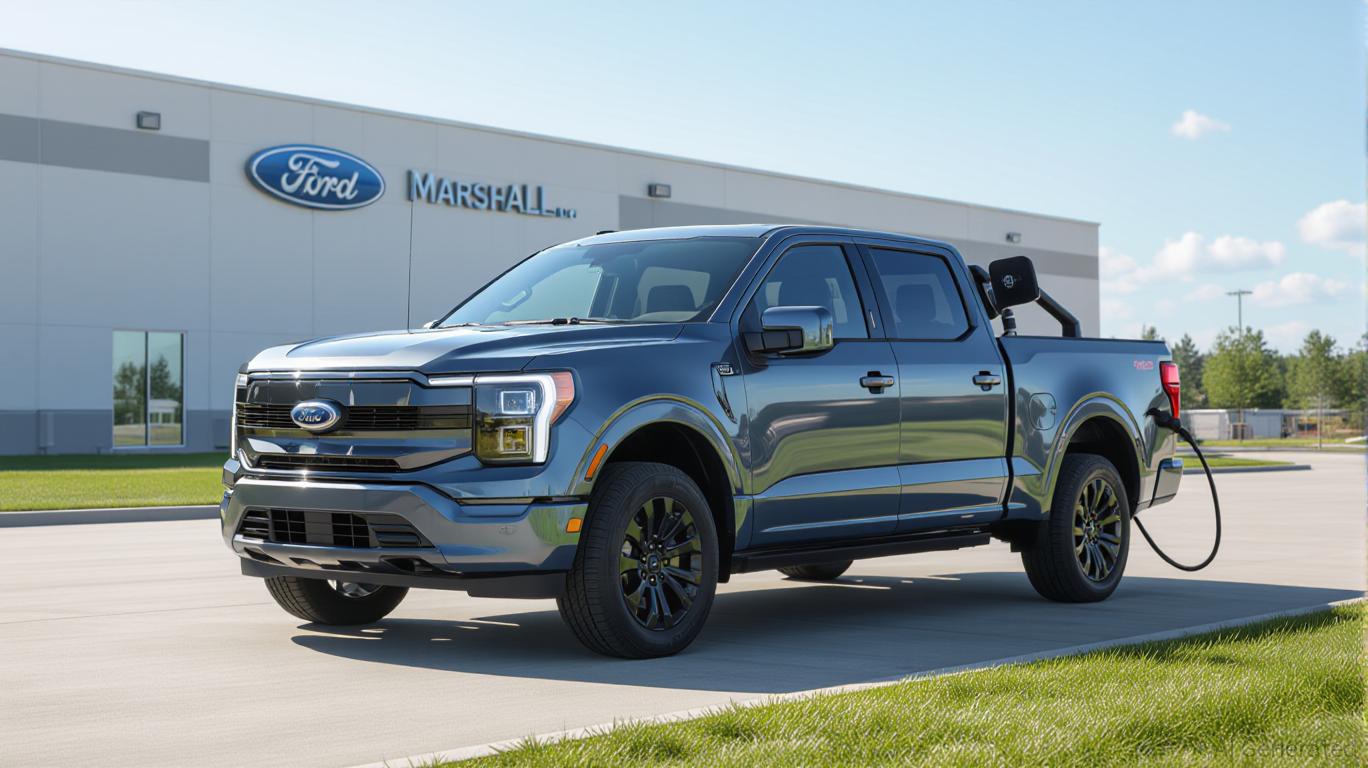
Large electric pickup trucks have struggled to gain mainstream traction in the United States, but Ford believes a smaller and more affordable approach could succeed. The automaker's upcoming midsize EV truck is designed to address the limitations that have hurt full-size electric pickups while targeting a market segment that remains largely underserved.
Rather than competing directly with expensive electric work trucks, Ford is focusing on practicality, affordability, and everyday usability.

Why Full-Size Electric Trucks Have Struggled
The American pickup market has not embraced electric trucks at the pace many manufacturers expected. Several high-profile launches generated significant attention, yet sales have often fallen short of industry projections.
A common challenge has been balancing truck capability with battery limitations. Many buyers expect their pickups to handle long-distance travel, heavy towing, off-road adventures, and demanding work tasks. Current battery technology can support some of these requirements, but often at a higher purchase price and with compromises in range when towing or hauling.
As a result, many consumers have remained loyal to gasoline-powered alternatives that offer greater flexibility for similar or lower costs.
Automakers across the industry have responded by reassessing their EV truck strategies. Some production plans have been delayed, while others have shifted resources toward electric crossovers and SUVs, segments that generally align more naturally with current battery technology.
Ford Sees Opportunity in a Different Segment
Despite the difficulties facing larger electric pickups, Ford argues that the market has not rejected electric trucks altogether. Instead, company executives believe buyers have rejected a specific type of electric truck: oversized, expensive models that attempt to replicate every capability of traditional heavy-duty pickups.
Ford's next-generation EV platform will reportedly debut with a midsize pickup expected to start around $30,000, a price point rarely seen in the electric truck market.
According to company leadership, smaller trucks often serve different purposes than full-size work vehicles. Owners frequently use them for commuting, recreation, home improvement projects, and light towing duties rather than hauling heavy trailers across long distances.
That distinction could make electrification significantly more practical.
A Market Built Around Everyday Use
Ford executives point to the popularity of compact and midsize pickups as evidence that there is room for a different kind of electric truck.
The gasoline-powered Ford Maverick and Ford Ranger continue to attract strong demand. Their success demonstrates that many buyers prioritize affordability, manageable size, and daily usability over maximum towing capacity.
By targeting this customer base, Ford hopes to create an EV that feels familiar to existing truck owners while offering the benefits of electric propulsion.
The company is reportedly designing the vehicle with a spacious interior that prioritizes passenger comfort and cargo flexibility. Rather than chasing extreme performance figures, the focus appears to be on creating a practical transportation tool that fits seamlessly into everyday life.
Technology Will Be Central to the Strategy
Ford's upcoming truck will be built on a software-focused electric platform designed to support modern connected vehicle features.
Over-the-air updates, smartphone integration, and digital services are expected to play a significant role in the ownership experience. These features have become increasingly important as consumers compare vehicles not only by horsepower and range but also by software functionality.
The automaker also believes electric architecture creates opportunities for improved storage solutions. Traditional pickups often lack secure cargo areas outside the passenger cabin. Electric vehicles, however, can utilize front storage compartments, providing lockable space that many truck owners find valuable.
By combining practical utility with digital convenience, Ford hopes to differentiate its product from existing competitors.
Competing Against Familiar Brands
Even if Ford identifies the right market niche, success is far from guaranteed.
Many truck buyers have long-standing loyalty to established models and tend to be cautious about adopting new vehicle technologies. Convincing those customers to transition from gasoline-powered trucks will require more than a competitive price.
The vehicle must also deliver strong ride quality, comfortable handling, low noise levels, and an engaging driving experience. Ford executives have repeatedly emphasized that consumers should view the truck as an attractive vehicle first and an electric vehicle second.
This philosophy reflects a broader trend across the automotive industry. Increasingly, manufacturers are shifting away from marketing EVs solely on environmental or technological benefits and instead focusing on overall product quality.
A Critical Test for Ford's EV Future
The launch of Ford's midsize electric pickup may become one of the company's most important EV projects of the decade.
If the strategy succeeds, it could prove that electric trucks can thrive when designed around realistic customer needs rather than maximum capability targets. A successful launch would also give Ford a stronger position in an increasingly competitive EV market.
However, if consumers remain unconvinced, questions will likely grow about the long-term viability of electric pickups as a major segment.
For now, Ford is betting that affordability, practicality, and smart packaging can succeed where larger electric trucks have struggled.

FAQ
Why have many electric pickup trucks struggled in the U.S. market?
Many buyers expect pickups to handle heavy towing, long road trips, and demanding workloads. Current electric truck designs often face challenges meeting those expectations without significantly increasing cost and vehicle weight.
What is Ford's new electric truck strategy?
Ford plans to focus on a smaller, more affordable electric pickup rather than a large premium truck. The company believes midsize truck buyers have usage patterns that are better suited to electric powertrains.
How much is Ford's upcoming electric pickup expected to cost?
Ford has indicated that the new midsize electric truck could start at around $30,000, positioning it below many existing electric pickup competitors.
Who is the target customer for Ford's new EV truck?
The vehicle is aimed at drivers who use trucks for daily transportation, recreation, light towing, and occasional cargo hauling rather than heavy commercial work.
What features could help Ford's electric truck stand out?
Expected advantages include modern software features, over-the-air updates, smartphone integration, secure front storage, and a practical cabin designed for everyday use.
Recommend Reading: Ford Targets $30,000 Electric Truck with New Universal EV Platform









Share:
Amazon EV Delivery Fleet Passes 50,000 Vehicles